This oil field has overcome a world-class problem by challenging the deep oil and gas forbidden zone.

Original petroleum Link petroleum Link

Over the years, the continuous exploration of drilling technology and geological problems in Tarim Oilfield is gradually unveiling the "cornucopia" of Tarim.

Exploration of Tarim Oilfield

2809 words in total | Suggested reading time is 5 minutes.

Text | wood

Recently, a news of the discovery of a 100-million-ton oil and gas field in Tarim Basin has frequently been screened in the oil circle, which has become one of the few exciting good news since the beginning of 2020.

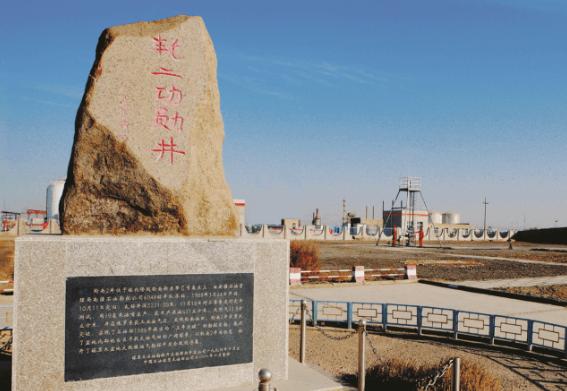
From November 17, 1988, Lunnan 2 well spewed out a high-yield oil gas stream, and now a large oil and gas field with an output of nearly 30 million tons has been built. The development of Tarim Oilfield for more than 30 years is a history of hard work, and it is also a history of tackling countless unknowns, problems and technologies.

As oil and gas are buried deeper and deeper, it is more and more difficult to explore and develop. Today, Tarim Oilfield has entered an era of deep oil and gas attack.

The picture of Lunnan 2 well comes from Guanwei of Tarim Oilfield.

01

Exploring deep oil and gas

Many years ago, a group of world-class oil and gas experts came to Tarim with confidence.

But they all shook their heads in the face of the complicated geological structure in Tarim Basin. They have never seen such a world problem, and there is no way to solve it.

How difficult is it to exploit oil and gas from the largest inland basin in the northwest of China?

Geologically, the Tarim Basin has experienced eight stages of structural deformation, including "overall extrusion, layered deformation, vertical superposition and linkage progression". This kind of geology is like "being broken by people and stepping on several feet", and all kinds of underground strata are completely disrupted, so a complete geological zone can not be found at all.

For petroleum geology, only when the theoretical support of oil and gas is discovered in geology can oil and gas fields be played out, so the difficulty can be imagined.

In addition, the buried depth of oil and gas reservoirs in Tarim basin is generally between 6000 meters and 10 thousand meters, and conventional drilling technology can’t "drill wells" at all.

At the same time, there are three sets of complex and difficult-to-drill strata, namely, high-steep and extremely thick gravel layer, compound salt-gypsum layer and strongly abrasive fractured reservoir, which leads to the very slow drilling speed of conventional drilling technology.

In addition, ultra-deep wells are bound to encounter complex conditions such as high temperature and high pressure, and poor control will bring a series of problems and even great losses.

There is a difficult road ahead of Tarim oil and gas development, but the most dangerous places often have the most beautiful scenery, and the distribution of oil and gas resources is no exception.

The data show that there are 10.15 billion tons of oil and gas resources in the Tarim Basin at a depth of 6,000-10,000 meters, and the reserves are extremely amazing.

After more than 30 years of development, the shallow geological conditions of Tarim Oilfield have been found out, and the deep geological conditions over 6000 meters are basically understood, but what is the geology of the ultra-deep, that is, the rich oil and gas fields buried below 8000 meters?

As described by the technical researchers in Tarim Oilfield, "The bride is sitting there, waiting for them to unveil the veil. "

02

Overcome world-class problems

In order to overcome many extreme problems such as ultra-deep, ultra-high pressure and high temperature, Tarim Oilfield has carried out a number of technical breakthroughs, innovated the safe isolation technology of ultra-deep complex pressure system, invented three sets of rapid drilling technologies for complex and difficult-to-drill formations, and created downhole integrity technology in extreme environments.

Among them, the innovative safe isolation technology of ultra-deep complex pressure system in the oil field has constructed a series of non-standard wellbore structures that meet the buried depth, number of layers and creep strength of different salt layers, and solved the major problem of safe isolation of multiple sets of ultra-deep composite salt layers.

With the help of this technology, Tarim Oilfield has drilled the deepest well on land in Asia-Luntan 1 well, and achieved a major exploration discovery.

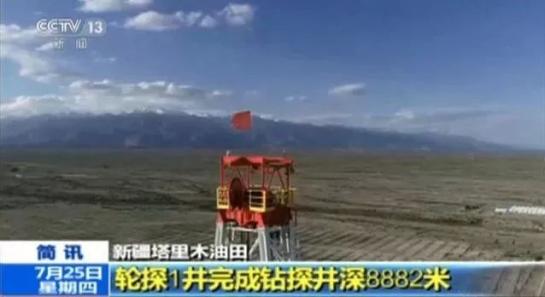
On January 19, 2020, the risk exploration well located in Kuqa City, Xinjiang was rotated to explore Well 1. After acid fracturing test, the daily output of crude oil was 133.46 cubic meters and natural gas was 48,700 cubic meters.

The drilling depth of this well is 8882 meters, which is equivalent to a "Everest" in the ground, creating seven records, including the deepest well and the deepest oil-producing gas well on land in Asia.

This not only marks a major breakthrough in ultra-deep exploration under CAMBRIAN salt in Tarim Basin, but also confirms that primary reservoirs and high-quality reservoir-cap assemblages are still developed in the 8200m deep strata in Tarim Basin, and also represents that Tarim’s drilling technology level has successfully ranked among the international leaders.

On July 19th, 2019, Well Luntan 1 took 361 days to drill to 8882 meters, becoming the new "king of deep wells" on land in Asia, indicating that Tarim’s drilling technology has been at the international leading level.

In recent years, Tarim Oilfield has made a great breakthrough in the field of ultra-deep well drilling, represented by Luntan 1 well. At present, it has a drilling capacity of 10,000 meters, with over 110 deep and ultra-deep wells drilling 6,000 meters every year, accounting for more than half of ultra-deep wells drilling in China.

"Tarim drilling technology has been at the forefront of the world, and high-density oil-based drilling fluid and fine pressure control are in the leading position in the world, which can be applied to the exploration and development of onshore oil and gas reservoirs such as Willis Basin and Texas." Even Halliburton, the top international oil service company, expressed its approval.

03

Deep technological breakthrough, helping oil and gas discovery

At the same time, the breakthrough in key technologies of "deep" drilling and completion has also promoted the rapid discovery of multiple oil and gas reservoirs.

In recent years, more than ten large oil and gas reservoirs, such as Keshen 9, Zhongqiu 1 and Bozi 9, have been discovered in Tarim Oilfield at a depth of more than 6000 meters, which has brought the oilfield into a harvest explosion period.

Among them, in December 2018, well Mid-Autumn 1, located in the middle of Qiu Li Tage structural belt in Kuqa depression, Xinjiang, was successfully well tested, and high-yield industrial gas flow was obtained, which indicates that there will be hundreds of billions of condensate gas reservoirs in this area.

In October, 2019, Bozi 9 well located at the foot of South Tianshan Mountain harvested high-yield oil and gas flow, which indicates that Tarim Oilfield has harvested Bozi 9 gas field.

The natural gas reserves in this gas field exceed 100 billion cubic meters, further consolidating the reserve scale of Bozi-Dabei trillion cubic meters atmospheric area.

In April, 2020, Well Manshen-1, whose buried depth is close to 8000m, made a major breakthrough. This well confirmed that the whole northern Tarim-Tazhong oilfield is contiguous with oil, adding 228 million tons of oil resources, which laid a foundation for accelerating the construction of a large oil and gas area of 10 million tons.

Up to now, three trillion cubic meters of oil and gas areas have been discovered in the Kuqa depression in Tarim Oilfield, among which the large oil and gas areas from Keshen to Kela trillion cubic meters have been implemented; Bozi to Dabei oil and gas area-the second trillion cubic meters oil and gas area, is being consolidated; Qiu Li Tage, the third trillion cubic meters oil and gas area, is being cultivated.

With the continuous breakthrough of technology, at present, Tarim Oilfield has gradually formed an increasingly clear exploration and development plan:

Among them, in the exploration, we mainly focus on three major areas: Kuqa New Area, piedmont of southwest Tarim and deep carbonate rocks in platform basin, and speed up the search for strategic replacement areas.

In terms of development, we will focus on the construction of two base areas, Kuqa natural gas and Tabei-Tazhong crude oil, and build a 30 billion cubic meter atmospheric area in Kuqa and a 10 million ton large oil and gas area in Taipan.

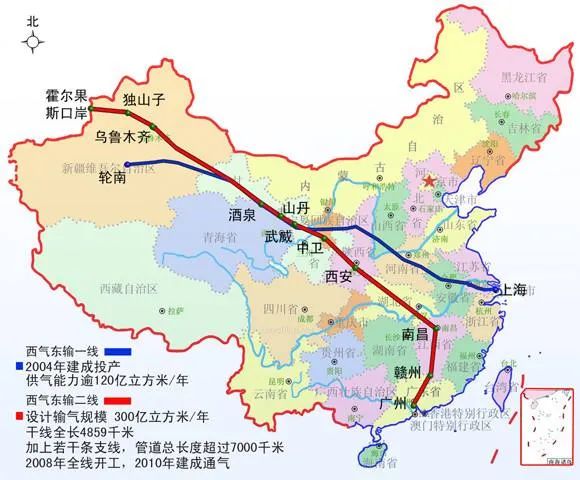
All these have undoubtedly laid a solid reserve resource foundation for the west-to-east gas transmission and national energy security.

On September 17th, 1998, Kela 2 well spewed out high-yield oil gas flow, and Kela 2 gas field was born, which contributed to the start of the symbolic project of western development in China-West-East gas transmission.

As one of the main gas sources of West-to-East gas transmission, Tarim Oilfield undertakes the task of supplying gas to 15 provinces and cities, more than 120 large and medium-sized cities with a population of about 400 million and more than 3,000 enterprises in East China and North China. This is a great energy project and a great legacy for future generations.

04

Climb! yield

According to the latest round of resource evaluation, the total amount of proven oil and gas resources in Tarim Basin exceeds 17.8 billion tons, of which oil exceeds 9 billion tons and natural gas exceeds 9 trillion cubic meters, accounting for about 1/6 and 1/4 of the national oil and gas reserves respectively.

Correspondingly, as of 2019, the proven rate of oil and gas in the basin is only 14.6%, and the exploration prospect is very broad.

Massive resources have been prepared, and the next step is to unveil the basin.

In fact, with the breakthrough of ultra-deep well drilling technology, the output of Tarim Oilfield has been rising since its construction.

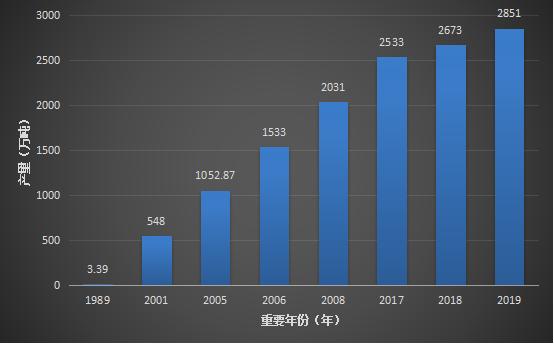
From the production of 33,900 tons of oil and gas equivalent in 1989 to the breakthrough of 5.48 million tons in 2001, it took Tarim Oilfield 12 years to reach the stage of 5 million tons.

Subsequently, the oil field output increased significantly, reaching 10 million tons, 15 million tons and 20 million tons in four years, one year and two years respectively.

Since the oil and gas production reached 25 million tons in 2017, after three years, Tarim Oilfield is expected to climb to a new peak of 30 million tons in 2020.

Output in Important Years in Tarim Oilfield

In 2019, Tarim Oilfield made the strategic goal of "winning 30 million, breaking through 35 million and aiming at 40 million", that is, 30 million tons of large oil and gas fields will be built as scheduled in 2020, and the oil and gas production will exceed 35 million tons ahead of schedule during the "Tenth Five-Year Plan" period, and reach more than 40 million tons before 2030.

A thriving development prospect is becoming clearer and clearer.

In fact, only from the recent production situation of the oilfield, the upward trend is also extremely obvious.

It is reported that in the first quarter of this year, Tarim Oilfield completed a cumulative oil and gas output of 7.91 million tons, an increase of 568,000 tons over the same period of last year. According to this development speed, it is just around the corner to achieve the goal of 30 million tons.

Although the Tarim Basin has always been regarded as one of the most difficult areas for oil and gas exploration and development in the world, with the tenacity and exploration of generations of oil people, the veil of this "cornucopia" will finally be unveiled.

Note: Some contents are from Tarim Oilfield.

Original title: "Challenge the deep oil and gas forbidden zone! This oilfield has solved a world-class problem.

"Five-year plan you don’t know" (4): How to draw up five-year plan with the help of external brain.

  At the beginning of the founding of New China, the leaders attached great importance to the role of "outside brain". The opinions of the former Soviet Union were repeatedly consulted during the preparation of the First Five-Year Plan, and the method of combining "leaders, experts and the masses" was put forward during the Third Five-Year Plan. However, due to the need for confidentiality, the State Planning Commission was a state-level secrecy unit at that time, and experts played a very limited role as outsiders.

  After the reform and opening up, experts have played an increasingly important role. According to Comrade Hu Qiaomu’s introduction in the article "How China’s leaders make decisions", experts played an important role in decision-making in the 1980s. First, they strengthened the role of consulting institutions, mainly internal research institutions in the State Council, China Academy of Social Sciences and major universities in Beijing. The second is to attract experts to participate in the demonstration work. After the Seventh Five-Year Plan, experts began to participate in policy consultation by participating in symposiums; after the Ninth Five-Year Plan, experts further participated in policy consultation by participating in preliminary research; during the Tenth Five-Year Plan, an expert deliberation committee was formally established; during the Eleventh Five-Year Plan, it was changed into an expert consultation committee, which became a specialized policy consultation and policy demonstration institution.

  Who can participate in the core decision?

  There is no doubt that research institutions have a great voice in the decision-making process, and they are widely involved in the decision-making process. From the core to the periphery of decision-making, we can see the ubiquitous influence of professional researchers.

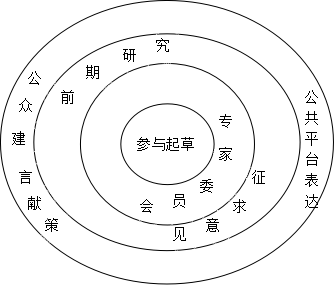
  From the perspective of participation structure, direct participation in drafting has entered the core of decision-making. The core of decision-making is the national development planning expert Committee, which is not only a long-term advisory body for the preparation of the five-year plan, but also has the right to demonstrate the plan; At the decision-making consultation level, it is to participate in the preliminary research of decision-making and solicit opinions at different stages of opinion planning; At the periphery of decision-making consultation, various opinions and suggestions are actively put forward through public suggestions channels and public platforms to influence decision-making.

  Scholars from some government-affiliated research institutions directly participated in the drafting of the plan. For example, the members of the party’s "Proposal" drafting group included Li Jingtian, executive vice president of the Central Party School, Bai Chunli and Huang Zhijian, executive vice presidents of China Academy of Sciences, Wang Weiguang, executive vice president of China Academy of Social Sciences, and Cai Fang, director of the Institute of Population and Labor Economics of China Academy of Social Sciences. Wang Yiming, executive director of the National Macroeconomic Research Institute, and others participated in the drafting of the Outline. In a drafting group dominated by government officials, scholars participated in the planning drafting, which provided a professional perspective for the planning work.

  Expert argumentation is the legal procedure for major national decisions.

  In October, 2005, the State Council explicitly stipulated that the expert argumentation system for planning should be implemented. After the State Planning Expert Committee was formally established, the number of members was 37 at first, and then increased to 56. During the preparation of the Twelfth Five-Year Plan, a total of four meetings of the National Development Planning Expert Committee were held at different stages. The first meeting was held at the stage of drafting the basic ideas (referring to mobilizing all parties to make suggestions and suggestions in the early stage of preparation) to discuss some major issues of the National Twelfth Five-Year Plan; The second meeting was held in the process of soliciting opinions on basic ideas to listen to the opinions of experts; The third and fourth meetings were held in the stage of soliciting opinions on the Outline to listen to the opinions of experts.

  In general, the meeting form of the expert committee is to study materials first, and then discuss in groups to give opinions on the Outline (draft for comments). At the same time, experts will directly modify the staged planning text, and some experts will put forward written opinions in the form of articles, and the National Development and Reform Commission will summarize and study these opinions and consider whether to absorb them.

  The State Council’s rules of procedure clearly stipulate that major issues submitted to the State Council for study and decision need to be "demonstrated by experts or research and consulting institutions for their necessity, feasibility and legality". This shows that expert argumentation has become a legal procedure for major decisions. The meeting of the National Development Planning Expert Committee held in February 2011 not only put forward opinions, but also drafted the expert argumentation report of the Twelfth Five-Year Plan. According to Professor Hu Angang, an expert member of the Twelfth Five-Year Plan, the drafting process was that Wang Yiming, executive vice president of the National Macroeconomic Research Institute, drafted the first draft of the demonstration report, which was repeatedly discussed by the expert committee, and revised by the National Development and Reform Commission according to the opinions of the expert committee. The final demonstration report was basically completely different from the first draft, and the expert demonstration report formed by the meeting was submitted for review together with the draft of the planning outline, providing strong support for enhancing science.

  Ten thousand experts participated in the policy research of the 12th Five-Year Plan.

  A large number of research institutions have participated in the policy research of the Twelfth Five-Year Plan, which is the largest policy research in the world. On November 6, 2008, the National Development and Reform Commission launched the preliminary research, and the same major topic included 39 topics in 8 fields.

  There are two ways to entrust major issues in the early period of the Twelfth Five-Year Plan. One is to directly entrust research, with seven research institutions; Second, public bidding was conducted to the whole society, and a total of 60 research institutions were selected. The selected institutions are mainly government-affiliated research institutions and academic institutions, as well as two independent research institutions and one multinational enterprise. More than 10,000 experts from 67 domestic institutions in politics, economy, culture and society participated in the research, and fully listened to the opinions and suggestions from all walks of life, and finally formed a research report of 5 million words.

  While the National Development and Reform Commission (NDRC) organized the preliminary research on major topics, the Office of the Central Leading Group for Finance and Economics also commissioned the research on major topics, including the National School of Administration and some foreign research institutions.

  The research results of previous projects provided by research institutions provide a third-party and professional perspective for the major issues involved in planning drafting, which has become an important part of scientific planning.

  Since the agenda of the 12th Five-Year Plan has been fixed, it is equivalent to opening a huge window for policy discussion. During this period, research institutions have held public policy discussions in the form of forums, symposiums and special studies, forming a policy public opinion atmosphere. For example, in 2010, the China Development Forum, the annual meeting of China Macroeconomics Society and other important policy discussions all focused on the preparation of the Twelfth Five-Year Plan, and a large number of articles on the Twelfth Five-Year Plan were formed during this period.

  Judging from the participation link, the participation of experts is mainly in the "one-to-one" link of the "brainstorming" decision-making process, and the middle part is less involved. In the early stage of the strategy, the research results provided by the research institutions provided the drafters with inspiration and clarification of some issues; In the stage of soliciting opinions, scholars put forward suggestions for revision to evaluate and demonstrate the quality of the plan. These two links are also the active period for research institutions to put forward policy suggestions.


The ancient makeup was the most complicated and gorgeous in the Tang Dynasty, which was related to the great cultural integration and women’s self-confidence.

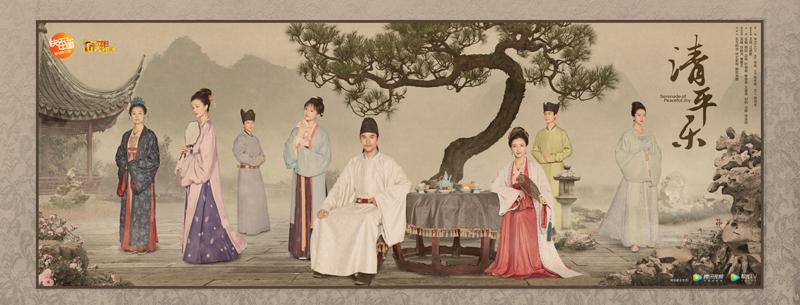
When The Longest Day In Chang’an was popular, the flower buds of women in the Tang Dynasty were impressive. Qingpingle, which followed closely, was also regarded as a highly restored history because it presented the makeup of Pearl in the Song Dynasty.
The development of makeup research in recent years is behind the film and television drama’s efforts to restore the face of ancient life from a large number of "shocking people" in the past. Chen Shiyu, the service director of film and television dramas such as Qingpingle, is a scholar of costume history and arts and crafts. He studied under Mr. Sun Ji in Beijing Institute of Fashion Technology and is also a consultant on the history and service of CCTV’s National Treasure program. Li Ya, a professor in the Department of Stage Art of Shanghai Theatre Academy, has also written works such as History of Ancient Jewelry in China, Streaming Earrings: Earrings in China in Past Dynasties, and Formula of Ancient Makeup in China.
The Beauty of China’s Makeup is a book co-written by Li Ya and Chen Shiyu, which not only presents a complete picture of China’s makeup from the Zhou Dynasty to the Qing Dynasty, but also outlines the social ideological style and aesthetic changes behind it. "The power of power, the restraint of morality, the different tastes of elite culture and market culture have all left a deep mark on women’s makeup in different times." Zhu Liangzhi, a professor of philosophy at Peking University, pointed out in the preface.
"After studying makeup for thousands of years, it is found that human nature is unchanged in ancient and modern times. Pursuing beauty and fashion trends is the commonality of people in all ages, but the forms of expression are different, and some times will be more obvious and more tolerant." Li Ya said.
What is "fish flattery"?
"Makeup as a research topic is very rare." Since studying for a master’s degree in 1999, Li Ya has been deeply involved in the field of cosmetic culture research. At first, I chose to study this direction simply because few people paid attention to it. In 1981, after the publication of Shen Congwen’s "Research on Ancient Chinese Costume", ancient costume became a research hotspot, but few people paid attention to the makeup that appeared in ancient murals and poems together with costume.
After Li Ya really entered the field of decoration research, she found it very difficult. First of all, there are no first-hand cultural relics, and makeup must be attached to the human body, and once the human body rots, makeup will be gone. Therefore, compared with other material and cultural studies, makeup lacks first-hand material information and can only be studied through other channels. Auxiliary research approaches include literature scattered in history books, note novels, poems and songs, as well as image research including ancient figure painting and figure sculpture.
However, whether recorded in words or portraits, either "only know its name but not its shape" or "only know its shape but not its name". In addition, after thousands of years of polishing, many important information has faded, peeled off or lost. As a researcher, we need to collect all the information, and then find a reasonable correspondence between "shape" and "name" in order to restore the historical face of makeup to the greatest extent.
Li Ya and Chen Shiyu have restored a popular makeup "Fish Mei Zi" that appeared in the Song Dynasty. There is only a brief record of this kind of makeup in the History of Song Dynasty, but at first they were completely confused about what it meant to be "a bone in the gills". Later, when I was studying the female crown in the Song Dynasty, I happened to find that there was a kind of "Zhuguan" at that time, which was made of a hard fish stone taken out from the head of herring. After polishing, polishing and oil immersion, it became a translucent gem like agate, which was used as a crown decoration. Only then did they understand that the so-called "Fish Mei Zi" was made by sticking this gem on black paper, thus solving this "small historical puzzle".
The Beauty of China’s Makeup also shows 29 sets of restoration pictures of real makeup. When the ancient makeup appeared on modern people’s faces, the historical gap was broken. In recent two or three years, Li Ya has devoted a lot of energy to the restoration of ancient makeup after her research. She said that it was a practice after she completed the correspondence between "shape" and "name". "This is an uncontrollable desire, and I really want to know what these ancient portraits and sculptures are like when they are restored by real people."
However, the transformation from abstract words to concrete images requires secondary creation, which inevitably has subjective elements. Every scholar will do something based on his own research, which is also a great test for their textual research ability and aesthetic grasp ability. "It is necessary to ensure that the restored ancient makeup conforms to the temperament of that era at first glance."
Women’s status behind makeup
For ancient make-up, a sentence in the Warring States Policy is very classic, "A scholar dies for a confidant, and a woman looks for herself." In fact, Li Ya found that ancient women’s makeup was not as simple as women pleasing people.
The Han Dynasty was the formative period of the ancient aesthetic standards of makeup, and from then on, it laid the characteristics of elegance. At the same time, Confucianism also established the absolute dependence of women on men, and put forward the theory of "three cardinal guides and five permanents" and "respecting yang and belittling yin". Especially the Women’s Commandments written by Ban Zhao in the Eastern Han Dynasty emphasized women’s submission, inferiority and obedience, and "standardized" women in China for more than two thousand years. These thoughts of the times have influenced women’s makeup. Since the Han Dynasty, the makeup style has gradually become humble and feminine, and even some morbid makeup has begun to appear.
Sun Shou was the wife of Liang Ji, a consort and powerful minister in the Eastern Han Dynasty. The Book of the Later Han Dynasty recorded that she was "beautiful in color and good in appearance" and liked to "frown and make up". The so-called "frown" is similar to a figure-of-eight eyebrow, which hangs down, and "crow makeup" means that there seem to be two tears hanging under the eyes. Sun Shou walks "hunched", that is, hunched over, looking ill, and laughing is a "decayed tooth smile" with bulging cheeks like toothache. History books say that this kind of makeup is "charming", but it once became the most popular fashion makeup in Beijing. "’Women are weak and beautiful’ is the most important point in Women’s Commandments, which emphasizes that women should show weakness, not only because they are soft and docile inside, but also because they are weak and weak in appearance, which is why morbid makeup is popular." Li Ya explained.
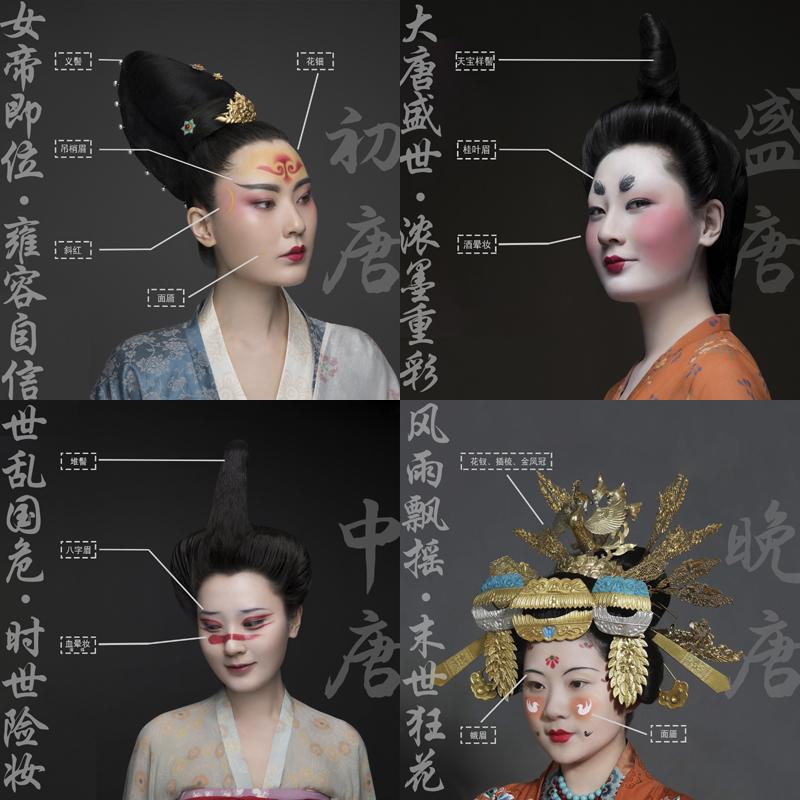
However, when the status of women in the whole society begins to rise, traditional aesthetics will also be broken. The makeup in the Tang Dynasty is the most complicated and gorgeous in history, and the makeup carrier is also very rich. Especially during the reign of Wu Zetian, the gorgeous makeup reached its peak. A number of painted figurines of the Tang Dynasty in the era of Wu Zetian were unearthed in Astana, Xinjiang. The face of the buried female figurines was swept by thick eyebrows, and the area of rouge blush was extended from under the eyebrows to the side of the face. In addition to the simple fan-shaped shape, the flower-shaped shape on the forehead was also smudged with complex patterns such as flowers, rolling grass and cirrus clouds. The oblique red on both sides of the cheek is not a simple blush, but a complex pattern. Ordinary maids in remote areas are all like this, which shows how charming the makeup of upper-class women in Chang’ an and Luoyang was at that time.
After Wu Zetian abdicated, Princess Taiping and Empress Wei were still active in the power center, and the gorgeous makeup style of Wu Zhou continued until the early years of Emperor Xuanzong’s succession. After the appearance of Yang Guifei, the popular fashion in the Tang Dynasty changed into plump beauty, loose clothes and big red makeup, and finally became an impressive symbol of "prosperous Tang Dynasty". "So the development of makeup is inextricably linked with the strength and self-confidence of women."
Makeup and troubled times
From the makeup, we can also see some changes in social thought. At the end of the Eastern Han Dynasty, the Great Plague, coupled with years of war, caused a large number of deaths. In the Northern and Southern Dynasties, the idea of "reincarnation, karma" spread with Buddhism, and Buddhism was also designated as the state religion in the Northern Wei and Southern Liang Dynasties. In addition to literature, music, sculpture and other fields, Buddhism also influenced the makeup at that time, and yellow eyebrow ink makeup began to appear. When Princess Shouyang of Emperor Wu of the Southern Song Dynasty got married, she painted "eight-character palace eyebrows holding yellow forehead", that is, the eyebrows were eight-character, and yellow makeup powder was painted on her forehead, which was called "yellow forehead". This is because the Buddha is the face of the golden Buddha. With the spread of Buddhism to the east, all kinds of forehead yellow, flower yellow and Buddha makeup began to be popular, all of which were painted yellow on women’s faces.
After the Anshi Rebellion, the Tang Dynasty went into decline. In the mid-Tang dynasty, there was a trend of pursuing weird and grotesque makeup, and Bai Juyi also wrote a special poem "Contemporary Makeup". According to the poem, it was popular for women to draw eight-character eyebrows at that time, and their lips were painted black without lipstick, and their faces were painted with ochre powder instead of vermilion and rouge. The makeup with ochre powder on the face is a kind of makeup from Xizang, which came with the Tibetan army invading Chang ‘an twice after the Anshi Rebellion. The ultraviolet radiation on the Qinghai-Tibet Plateau is very severe, and it is easy for local people to get high original red on their faces, so they will use yak milk to refine a brown whey and apply it to their faces as a mask, which has formed an ochre makeup effect and has been popular in Chang ‘an. Bai Juyi believes that this "dark face" makeup does not conform to the traditional makeup aesthetics of the Han nationality, and it looks "like a sad cry" and is a "phase of troubled times".
"The general trend of the world, the peak will decline, and the full moon will lose. All history can’t escape this trend, and the history of makeup is no exception. After the explosive development in the Wei and Jin Dynasties, and then to the peak of the Tang Dynasty, and finally to the late Tang Dynasty, it was already in a state of profusion and extravagance. In the Song Dynasty, makeup suddenly took a 180-degree turn, from rich and colorful to simple and simple. Moreover, after the Song, Yuan, Ming and Qing Dynasties, little has changed. " Chen Shiyu wrote in China’s Beauty of Makeup.
Reporting/feedback

Hangzhou strives to improve the effectiveness of grassroots governance.

  Since the beginning of this year, Hangzhou City, Zhejiang Province has focused on the key issues that restrict the improvement of the efficiency of grassroots governance, adhered to the clear orientation of "grasping the grassroots and focusing on party building", focused on improving the organizational strength of village community party organizations, and explored the action of "striving for star promotion and strengthening the whole region" to continuously improve the level of grassroots governance.

  Carefully touch, find the right cause and set a prescription.

  "This time, it took a lot of effort. The village sent a steering group to sift one by one with the village control index system, and formulated the ‘ One village, one policy ’ The rectification plan, our village was rated as ‘ Four stars ’ 。” Luo Changmu, secretary of the Party branch of Hujiaping Village, Fu Wang Township, Chun ‘an County, said, "Contrast ‘ Five stars ’ Indicator system, the shortcoming of Hujiaping Village lies in the collective economic income of the village. Therefore, we introduce professional managers and develop advantageous industrial projects, and strive to rush to ‘ Five stars ’ 。”

  Hangzhou has set up 47 specific indicators for star rating in five aspects, such as good pilot-driven team, good demonstration and development of common prosperity, good security management, good service with one heart and one mind, and good civilized and harmonious atmosphere, and over 80% of the indicators have achieved quantitative assessment. Full coverage to carry out a round of big ups and downs, the implementation of "two-level hall, portrait one by one", by the town street by village by community comparison index system analysis, portrait evaluation, county-level organizations by town street to listen to reports, unified filing, the city’s 3179 village communities have formulated a "one village, one policy" star competition program.

  "If we find out the base and find out the cause, we can prescribe the right medicine and the work is more targeted." Li Jun, member of the Standing Committee of Shangcheng District Committee and Minister of Organization Department, said, "When summarizing and analyzing the problems, we found that the lack of party-mass service positions in old communities is a prominent common problem in the whole region, which greatly limits the community’s service to residents. So we integrated and revitalized 49,000 square meters of idle houses in district-level organs, all of which were used for the construction of party-mass service positions in old communities. Now this short board has been filled, and residents’ sense of acquisition and happiness is getting stronger and stronger."

  Strengthen the assessment, create the first competition performance.

  "Doing a good job in party building and leading grid management is the key to consolidating the foundation of grassroots governance. Due to the strong mobility of community personnel and the large number of people under management, the original grid is relatively large." Zhang Jiancheng, secretary of the Party Committee of Tangjia Community in Linping District, said that after the city started the exam, Tangjia Community followed the 300— The standard division of 500 households into small grids, fully equipped with strong grid leaders and full-time and part-time grid members, makes the existing grid not only have the function of safe and comprehensive management, but also add seven functions such as party building leading and public service. "The grid is strong, and the community governance is really different."

  Hangzhou has carried out in-depth examination contest, focusing on the breakthrough of key indicators in the action of "Striving for the Star’s Promotion and Building a Strong Whole Region", and carried out six special tackling actions, such as party building leading grid management, joint construction and upgrading of community properties, and strengthening street excellent cooperatives under the unified leadership. At the municipal level, the "four ones" promotion mechanism of "one city leader in charge, one lead department in charge, one special plan implementation and one on-site meeting promotion" has been established. At the district level, a horse racing mechanism of "competing for stars" in real time and "one race in one season" will be formed, which will promote the village community party organizations to form a strong atmosphere of striving for Excellence.

  Make concerted efforts and make concerted efforts to support it.

  "This time ‘ Striving for the promotion of stars ’ The biggest difference from the past is that the responsibility of towns, streets and departments is tied to the village community for assessment. Now we work together with the community to complete the goal of competing for stars. " Yu Chengguo, deputy director of Fuyang District Civil Affairs Bureau, said, "During the epidemic prevention and control period, we personally felt the disadvantages caused by the lack of grassroots work. Therefore, according to the star competition standard of not less than 18 community workers per 10,000 urban residents, 350 social workers were recruited, and they played an important role in the refined governance of the community. After the community work force has been enriched, we are more calm in dealing with various challenges. "

  "In order to make the responsibility more real, the town has set up 74 joint village working groups, which are integrated with the contact villages and the assessment results are linked to the evaluation at the end of the year. In addition, we follow the ‘ Striving for the promotion of stars ’ Action requirements, strengthen the ‘ Five stars ’ ‘ Four stars ’ With the encouragement of the village community, the atmosphere of the whole town rushing up and down is even stronger. " Li Guoping, Party Secretary of Guali Town, Xiaoshan District, said.

  Hangzhou has established a responsibility mechanism of "evaluating village communities, grasping towns and streets, and promoting departments". When counties, towns and streets recommend provincial-level advanced collectives, priority should be given to the evaluation results of "five-star" village communities in their respective jurisdictions; When the functional departments carry out the annual assessment, they should give priority to the importance attached to the construction of grass-roots organizations, and implement "whether the party building is excellent or not" if the support and guarantee are weak and the village community problems are not solved for a long time. Driven by this mechanism, various departments in Hangzhou have formed a working pattern of concerted efforts and sinking resources, constantly amplifying the overall effect of "five stars" and improving the level of grassroots governance led by party building.

The patient will die in a day or two. How did the doctor know? The doctor told you the truth.

Earlier, Xiao Jiu saw a topic related to death on the Internet: "What are the signs before the old man died? Is there a scientific explanation? 」

Image from the network

Netizens have been discussing this constantly, and many netizens have also described the process of their loved ones’ death:

@ 临临: Grandfather left at 4 o’clock in the morning. Suddenly, he got up, full of energy, and shouted to get dressed quickly. He had to go, while wearing a shroud, he talked to my father, uncle and uncle, and finally shook his skirts.

@ Brilliant: Grandpa stayed in bed. Before he left, he always asked his mother for clothes, crutches, and said that he was leaving. Don’t stop him and let him get up. As a result, he died the next day. Mom said that he might really help him get up and leave that night.

@ Morning Star: My mother went to the toilet three times before she died. I couldn’t pull it out for a long time before. I thought my mother’s constipation was almost over, but she died the next day.

It is said that everything is fate, but most people still can’t accept the death of their loved ones. I am extremely sad, but I still can’t change the fact that my loved ones have passed away. Are there any signs before people die?

01

The patient will die in a day or two,

How did the doctor know?

"Just for a day or two, be prepared."

In the ward, doctors sometimes tell patients’ families that they should prepare for the funeral as soon as possible, or try to accompany patients to comfort their dying days, so as not to leave regrets. But some people are puzzled. How did the doctor judge?

In fact, people will have some special signs before dying, and doctors can make comprehensive judgments according to the symptoms of patients and the performance of various physical data.

Observation of vital signs: Doctors will pay close attention to patients’ vital signs, such as heart rate, respiration, blood pressure and body temperature. If these indicators continue to deteriorate and cannot be improved by treatment, then this may be a dangerous signal.

Symptom evaluation: If the patient has severe dyspnea, disturbance of consciousness, inability to eat or persistent pain, these may be signs of the deterioration of the disease.

Examination index: The doctor will combine the results of laboratory examination and imaging examination to evaluate the patient’s condition. For example, the deterioration of key indicators such as heart failure, severe malignant arrhythmia, acute renal failure and liver failure may indicate that the patient is in critical condition.

In addition, the more cases experienced doctors may come into contact with dying patients, the more theoretical or practical experience they have, and the more accurate their judgments are.

02

What will people experience before they die?

Is there really a "bounce back"?

The experience before death is a mystery to most people. In fact, many people who have been dying or experienced the death of their families have something in common, although the contents expressed are not the same, for example, the following four are the most common.

1. Death growl

Before people die, their body functions decline rapidly, and the secretions collected in the throat or lungs cannot be metabolized, which will affect the airflow when the patient breathes and make a gurgling sound, which is often called "death roar".

2. Body temperature drops

This is because the circulatory system in the body gradually slows down, and the blood flow rate and blood supply will also decrease. In addition, patients at this time are often in a state of dehydration, so they will show a sudden drop in body temperature and cold and wet skin.

3. The pain is unbearable

At this time, the dying person’s brain function gradually declines, and his will will gradually lose. He can’t adapt to the physical pain perception and will feel more intense pain. There are also some patients who suffer from pain caused by illness, which will constantly stimulate the pain nerves of the human body, so that patients are suffering from physiological pain even before they die, which is more common in patients who died of illness.

4, incontinence

Before dying, all parts of the brain are gradually inactivated, which leads to the deterioration of body control and the inability to complete normal excretion function, so some people will have incontinence.

In addition, there will be some "dead-end" actions, which are medically explained as a self-help mechanism of the human body before death.

Because the body senses an unfavorable signal, it will actively send a "rescue" signal to the brain, and the brain responds by starting an "energy emergency supply plan" to release the energy stored in the whole body to meet the needs of the human body. Once the energy is released, the body will return to its original state, and life will end here.

Therefore, generally, this "light-to-light" process will not take too long, at most it will take 1-2 days, and the short one may take a few minutes.

03

What can we do when our loved ones are dying?

Before the death of their loved ones, many people may choose overtreatment to save the lives of patients, but this will often aggravate the pain of patients and cause irreparable regret when patients die. In fact, it is more meaningful to do these things before the death of a loved one.

When relatives have difficulty breathing before leaving, it is often because of the difficulty of breathing caused by organ failure. At this time, family members can open the window for ventilation and do not gather too much.

If the patient feels cold, it is because of the sudden drop of body temperature caused by the deterioration of blood circulation. No amount of quilt covers can alleviate it, but it will increase the body weight. In fact, the correct way is to add and subtract quilts appropriately, which can help them rub their hands and feet or wipe their bodies to improve their blood circulation.

People who are dying will have difficulty eating in the last stage, so even if patients don’t want to eat at this time, don’t force them to eat, respect their wishes, and if necessary, you can dip a cotton swab in water and apply it to your lips to solve the problem of dry lips.

Let the dying people walk more comfortably, which may be the last thing they can do as family members. In addition, they can talk more when the patients are dying. Although they can’t respond physically, they can still hear the outside world. Don’t leave empty regrets if there is anything they can’t say at ordinary times.

References:

[1] "What strange reactions will happen to your body before you die? Will there really be a blip? It makes people cry after reading it. Popular Science China. 2022-06-05.

[2] "What changes will the body experience in the last few minutes? Health Times. 2021-11-29.

[3] "What is the process of dying? How to walk through the last journey of life with dignity? Fortunately, I read it in my lifetime. Healthy Chengdu Guanwei. 2019-11-10.

Original title: "The patient will die in a day or two. How did the doctor know? The doctor told you the truth.

Read the original text

New progress in "Xuzhou Fifth Ring Road"! The jacking construction of Jinghang Canal Bridge on Xuzhou Outer Ring Highway (southeast section) was successfully completed.

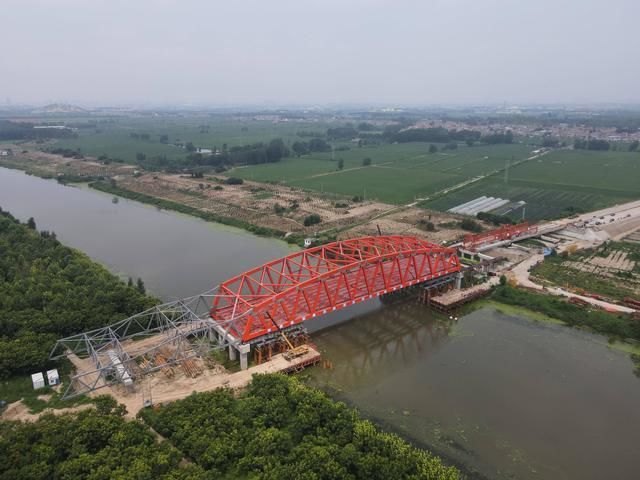
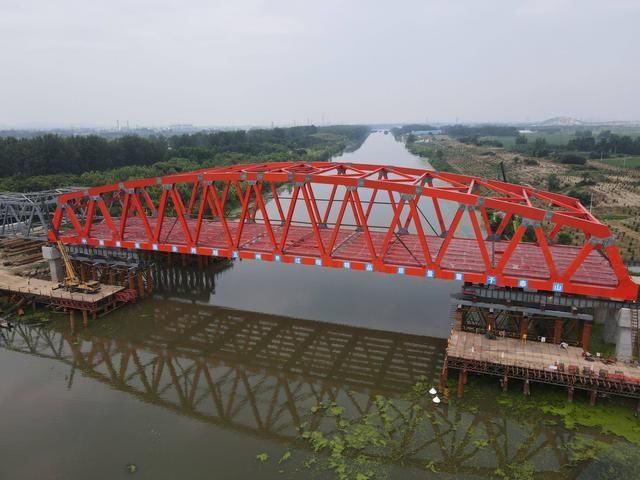
  The "Xuzhou Fifth Ring Road" that Xuzhou people have been paying attention to has made new progress. At 11: 08 am on July 14th, one of the most critical nodes in road engineering — — The 127.6m-m-long steel truss girder of the Beijing-Hangzhou Canal Bridge in Jiawang is precisely pushed into place, which indicates that the jacking construction of the main bridge of the Beijing-Hangzhou Canal Bridge has been completed, which means that the Xuzhou Outer Ring Road has taken another big step.

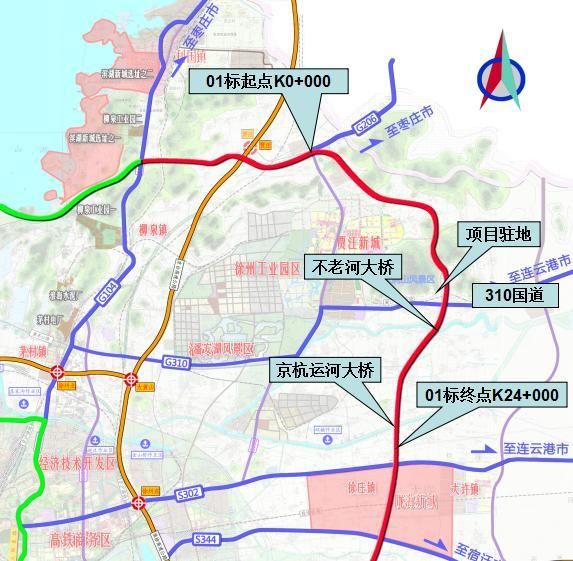
  It is understood that Xuzhou Outer Ring Road "S003", also known as the Fifth Ring Road, has a total length of 135.2 kilometers, connecting eight regional cities such as National Highway 310, Provincial Highway 322, National Highway 104 and National Highway 206. This Beijing-Hangzhou Canal Bridge is the reconstruction project of Xuzhou section of National Highway 206, and it is also an important part of Xuzhou Outer Ring Road (southeast section). The total length of the bridge is 500.76 meters, and the main span of the canal is 127.6 meters. The whole main bridge is made of variable height steel truss, which is built by jacking technology, which is the first Beijing-Hangzhou Canal Bridge in Xuzhou. During the construction period, the project department organized experts to conduct comprehensive monitoring and mechanical analysis, and took corresponding technical measures in time to ensure the quality and safety of the main bridge jacking construction. It took about one month to accurately jack the main beam weighing 2700 tons into place.

  According to Zhang Chun, executive manager of Bid Section 1 of National Highway No.206, after the successful jacking of Beijing-Hangzhou Canal Bridge, ancillary works such as erection of approach box girder, lifting of main bridge deck and bridge deck system will be carried out, and the project will be completed by the end of September.

  Xuzhou, the national highway 206, changed its route from the north of Jializhuang, Jiawang, the original national highway, to the southeast, and then passed through Jiawang City. After crossing the Bulao River and the Beijing-Hangzhou Canal, it entered tongshan district, passed through Xuzhuang and Lvliang Scenic Area, and turned west at the east side of Zhangji Town, ending at the intersection of Sanbao South National Highway 206 and Beijing Road, with a total length of 68.53km. This project adopts the standard construction of the first-class highway, with the designed driving speed of 100Km/h, two-way four-lane and bridge and culvert load grade highway — Level; The subgrade is 26m wide.  

  Yang Gang, director of the Contract Department of the Engineering Department of Xuzhou Outer Ring Highway Construction Headquarters, told the reporter that the outer ring highway has entered the asphalt pavement construction stage in an all-round way, and it is expected that the outer ring highway will be completed by the end of the year except for the iron-related projects. After the whole road is opened to traffic, it is estimated that it only takes 30 minutes to drive from Lvliang to Jiawang. The Beijing-Hangzhou Canal Bridge is an important node and difficult project of the Outer Ring Road. The successful jacking of the main bridge has taken another big step for the completion of the Outer Ring Road. After the outer ring highway is fully completed, it will further optimize the regional road network layout of Xuzhou, promote the orderly development of the city, and promote the all-round development of the plots, which is of great significance to improving urban traffic and consolidating Xuzhou’s position as a transportation hub.

  (Source: Wireless Xuzhou)

Laos dam-break disaster area is in short supply, and our rescue team found many survivors.

The roads in the disaster area are inconvenient and the living materials are tight.

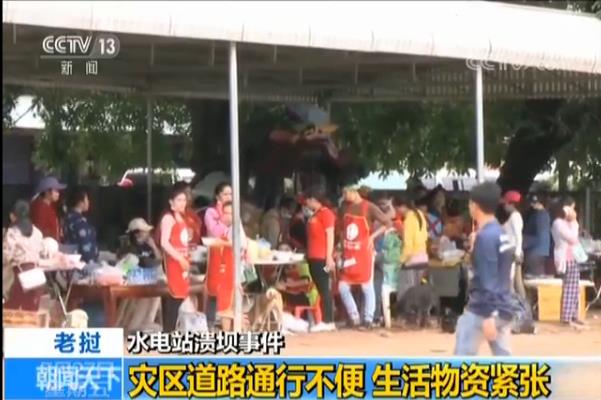
  Cctv newsThe Sangpian-Sangnannei hydropower station in Azopo province, southern Laos, broke its dam on the 23rd, and the pouring flood flooded six villages in Azopo province, leaving 131 people missing. According to the local disaster relief department quoted by Laos media, the dam break has caused 26 deaths. At the same time, many bridges and some roads leading to the disaster area were also destroyed by the flood, which brought great difficulties to the search and rescue and delivery of relief materials. After the initial road recovery, CCTV reporters came to the area with the worst disaster.

  The worst-hit areas this time are six villages under the jurisdiction of Sanansai County, Azov Province. These six villages have basically been flooded, and more than 6,600 people have been affected. At present, most of the roads leading to the outside world in these villages are still flooded, and a large amount of soil has been washed onto the roads, which makes the roads covered with thick mud, making it very difficult for search and rescue teams and vehicles carrying materials to travel.

  At the same time, the resettlement of more than 6,000 victims is also a very difficult problem. At present, more than 3,000 victims have been resettled in Sanansai County, which has a population of just over 2,000 at ordinary times. The arrival of a large number of victims has made all kinds of living materials here very tense.

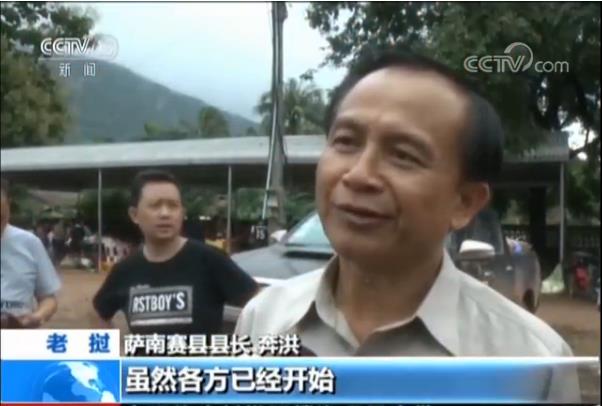
  Ben Hong, the county magistrate of Sanansai County.Although all parties have begun to transport a lot of materials here, we need more help because there are too many victims here.

  After learning about the shortage of living materials in the disaster area, many Chinese-funded enterprises that are carrying out local project construction immediately organized a large number of daily necessities to be transported to the disaster area, which initially eased the shortage of materials.

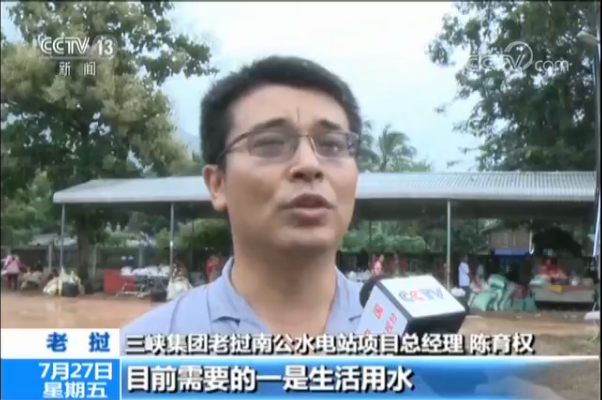
  Chen Yuquan, General Manager of Nangong Hydropower Station Project in Laos of Three Gorges GroupAt present, domestic water, tents and quilts are urgently needed living materials. We delivered the first batch of materials in the early morning of the 24th, and the second batch of materials on the 26th. We still have a lot of materials later, which are being sent here from Vientiane.

Search and rescue forces in the disaster area tried their best to search for trapped people.

  After the dam-break incident, the Lao government declared the affected area a national emergency disaster area, and all government departments and a large number of people devoted themselves to disaster relief. The search and rescue forces such as Lao soldiers in the disaster area are stepping up their search for survivors.

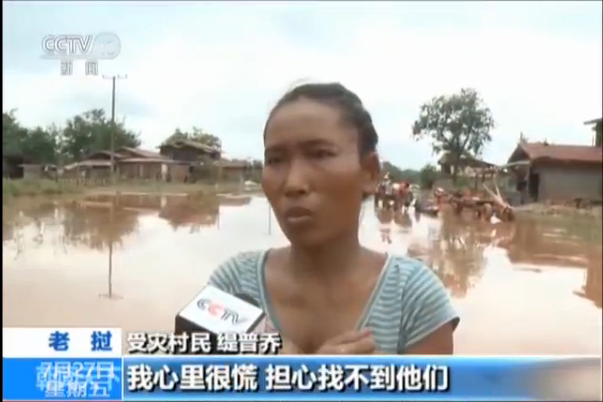
  In recent days, wading into flooded villages to search and rescue survivors is a major task for rescuers, and the Lao soldiers who are currently involved in disaster relief have undertaken most of the search and rescue tasks. In a flooded village not far from Sanansai County, several Lao soldiers are helping a girl look around for her family.

  The affected villager TipuqiaoI’m looking for my brother and younger brother. They went back to the old house from the resettlement site this morning to get things, but they haven’t come back by noon. I’m in a panic and worried that I won’t find them.

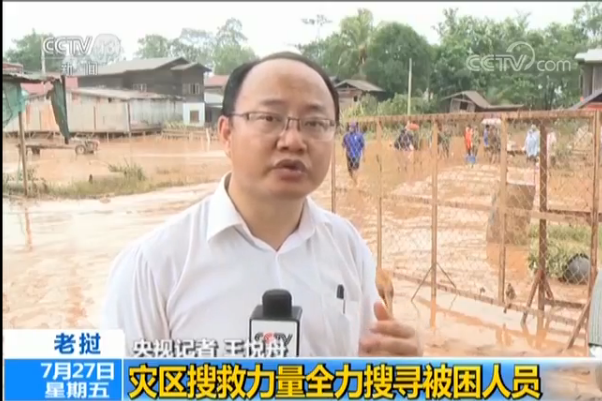
  At present, most of the affected villages are still submerged by muddy water and mud. There are all kinds of hidden dangers under the water and mud. Soldiers who participate in search and rescue often encounter danger, and bad weather also increases the difficulty of search and rescue.

  CCTV reporter Wang YuezhouIt’s the rainy season in Laos, and there is often rain in the disaster area and the upper reaches of the disaster area, which makes the water level rise again and brings greater difficulties to disaster relief.

  Faced with these difficulties, the Lao military can only increase the number of search and rescue personnel to ensure that the trapped survivors are transported to safe areas as soon as possible.

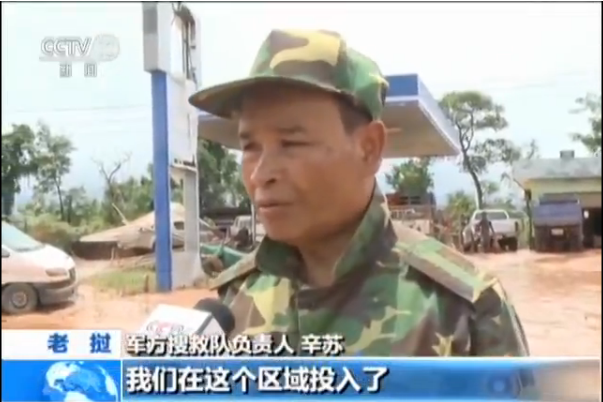
  Xinsu, head of Laos military search and rescue teamWe have invested 104 soldiers in this area to carry out search and rescue. These soldiers are scattered in various areas. At present, the main search and rescue targets are survivors who are hidden. 

A number of Chinese rescue teams joined the disaster relief operation.

  After learning of the dam-break disaster in Laos, many Chinese rescue teams immediately set out to prepare for reinforcements and set out at the first time. CCTV reporters saw the first two Chinese rescue teams in the disaster area — — "Peace Train" medical team from China People’s Liberation Army and "Ram" rescue team from non-governmental public welfare organization.

  On the morning of 26th, two rescue teams from China arrived at the resettlement site in Sanansai County, which is the closest to the disaster area. Among them, the "Ram" rescue team, a non-governmental public welfare organization from Zhejiang, learned about the disaster through fellow villagers in Laos before leaving, and carried a lot of targeted professional rescue equipment.

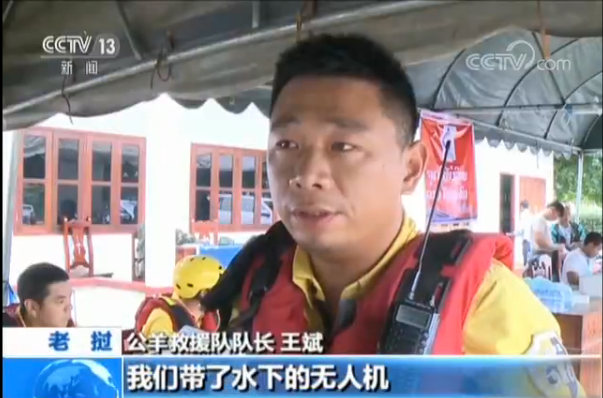
  Wang Bin, captain of the "Ram" rescue teamFor underwater search and rescue, we brought an underwater drone and a telescope to have a look.

  However, after going deep into the severely affected villages, the rescue team found that the water was so turbid that the underwater drone could not be put into use at all. So the team boarded the small boat and began to carry out search and rescue one by one, and soon found many survivors trapped by the flood, including nine-year-old children and elderly people in their fifties, and most of them had not eaten for two or three days. Some survivors recalled the scene of the flood and were full of fear.

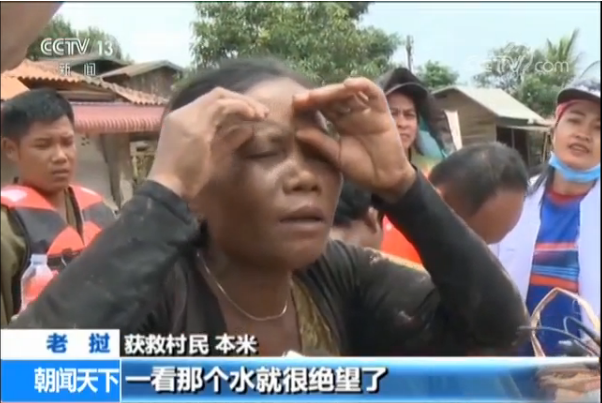
  The rescued villager BenmiAt the sight of that water, I was desperate and felt that I couldn’t live. The water kept rising and everything at home was washed away. My son and grandson started to look for boats in the surrounding villages in the morning, but by the time I was rescued, they had not come back.

  CCTV reporter Wang YuezhouThis is the village closest to the county seat. Now the water level here has dropped by two meters compared with the highest time. All the roads here have become very muddy, which has brought great difficulties to the search and rescue and the delivery of relief materials. Now the rescue team members are sending the villagers here to the resettlement sites in the county seat, and at the same time, they are carrying out search and rescue in places with deeper water level.

  At the same time as the search and rescue, the rescue team also brought a lot of living materials to replenish the supplies to the rescued villagers and the Lao soldiers who were in the first line of search and rescue. In addition, they pay special attention to observing the possible hidden dangers in the disaster area and inform the Lao government of these situations.

  Wang Bin, captain of the "Ram" rescue teamThere are some dead bodies of cows and pigs on the road, which may lead to secondary disasters in a few days because of the hot weather. 

It is hard-won to fight risks and tide over difficulties.

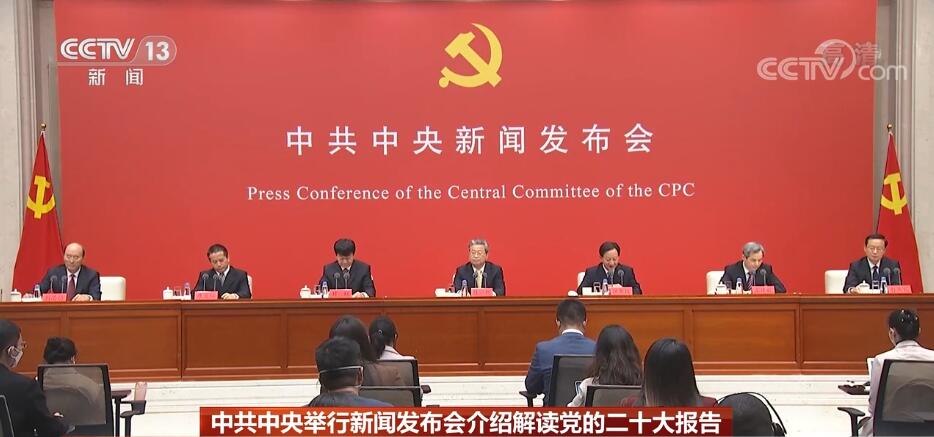
CCTV News:On the morning of October 24th, the Central Committee of the Communist Party of China held a press conference to introduce Report to the 20th CPC National Congress who interpreted the Party. At the press conference, in response to a reporter’s question, why do you call the ten-year change in the new era a "great change"? Jiang Jinquan, director of the Policy Research Office of the CPC Central Committee, made an interpretation.

Jiang Jinquan, Director of the Policy Research Office of the CPC Central Committee:The great changes in the ten years of the new era are all-directional, fundamental and patterned, and their influence is overall and historic, so they are called "great changes". In the past ten years, we have faced many risks, challenges and contradictions, and the task of eliminating the root causes, chaos and evil spirits is heavy. It is very difficult to overcome difficulties and eliminate stubborn diseases, which is rare in the world and history, and the change is hard-won.

I have the following experiences: First, great changes were achieved in solving prominent contradictions within the Party. Over the past ten years, the CPC Central Committee has unswervingly strengthened the overall leadership of the Party, promoted the strict administration of the Party in an all-round way, made great efforts to solve the problems of weakening, blurring and diluting the implementation of the Party’s leadership, persistently rectified the "four winds", resolutely punished corruption, eliminated the hidden political dangers within the Party, and eliminated the worries that the Party will not be a party. The Party’s leadership has become stronger and stronger, and the political ecology within the Party has taken on a new look, providing a fundamental political guarantee for realizing great changes.

Second, great changes were achieved by solving the outstanding contradictions in economic and social development. Faced with the long-term accumulated contradictions in the economy and society and a series of new contradictions arising from the changes in the domestic and international situation, including the turbid waves of "decoupling" of economy and science and technology set off by some western countries, the CPC Central Committee and the Supreme Leader General Secretary put forward a series of new ideas, new strategies, new ideas and new measures, especially putting forward and implementing new development concepts and promoting the construction of a new development pattern, which not only effectively responded to the triple pressures of shrinking demand, supply shocks and weakening expectations, but also laid the foundation for China’s long-term stable development and safe development.

Third, great changes are achieved in response to external risk challenges. In the past ten years, in the face of rapid changes in the international situation, external blackmail, containment, blockade and extreme repression, the CPC Central Committee with the Supreme Leader as the core led the people of the whole country, maintained strategic strength, carried forward the spirit of struggle, and resolutely fought head-to-head against evil, ghosts and pressure, effectively safeguarding national dignity and core interests and firmly grasping the initiative of China’s development and security.

Judging from these three aspects, the great changes in the new era and ten years were not easily achieved, but were achieved in overcoming various risks and challenges, even in stormy waves, and were the result of the United struggle and resolute struggle of the whole party and the people throughout the country.

Innovative social governance: who will govern what and how.

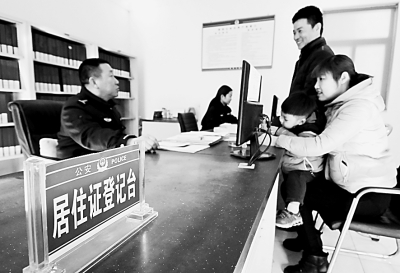
  The introduction of residence permit is an important measure for the reform of household registration system, which enables new urban residents to enjoy the same rights and interests as local residents. The picture shows migrant workers consulting the residence permit processing process at Dahuoquan Police Station of Qiaoxi Branch of Xingtai Public Security Bureau. Xinhua News Agency reporter Zhu Xudong photo
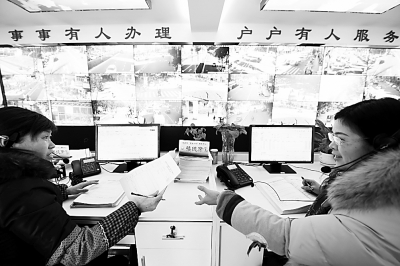
  The picture shows the staff of the grid "Minsheng 110" service center in Shaowu City, Fujian Province, handling the help-seeking service of the masses. Xinhua News Agency reporter Lin Shanchuan photo

  1. The background and objectives of social governance concept.

  The Decision of the Central Committee of the Communist Party of China on Several Major Issues of Comprehensively Deepening Reform adopted by the Third Plenary Session of the 18th CPC Central Committee pointed out that "the overall goal of comprehensively deepening reform is to improve and develop the Socialism with Chinese characteristics system and promote the modernization of the national governance system and governance capacity". The Central Committee of the Communist Party of China’s Proposal on Formulating the Thirteenth Five-Year Plan for National Economic and Social Development, adopted by the Fifth Plenary Session of the 18th CPC Central Committee, further holds that strengthening and innovating social governance is an important starting point for strengthening and improving the Party’s leadership and providing a strong guarantee for the realization of the 13th Five-Year Plan.

  The application of the concept of "social governance" has gone through a process in understanding — — Before the Third Plenary Session of the 18th CPC Central Committee, we mainly used the concept of "social management". Since the Third Plenary Session of the 18th CPC Central Committee adopted "the Central Committee of the Communist Party of China’s Decision on Comprehensively Deepening Reform", our party began to replace "social management" with the concept of "social governance". The transformation from social management to social governance is not a simple "one-word change", it reflects the obvious differences in governance subject, governance mode, governance scope and governance focus, and it is a profound summary of our party’s experience in dealing with social problems and solving social contradictions in the new period of reform, opening up and socialist modernization, and reflects the important theoretical and practical achievements made by the CPC Central Committee with the supreme leader as the general secretary in China’s social construction.

  Innovating social governance has become a very important task to innovate government behavior. The Fourth Plenary Session of the 16th CPC Central Committee, held in September 2004, proposed for the first time to "establish and improve the social management pattern of party committee leadership, government responsibility, social coordination and public participation." In the report of the 17th National Congress of the Communist Party of China in 2007, it was put forward: "We should improve the social management pattern of party committee leadership, government responsibility, social coordination and public participation, and improve the grass-roots social management system." In 2010, 35 comprehensive pilot projects of social management innovation were identified nationwide, and the "Guiding Opinions on Comprehensive Pilot Projects of Social Management Innovation in China" was formulated. In November 2012, the 18th National Congress of the Communist Party of China proposed to "strengthen social construction in improving people’s livelihood and innovative management". In November 2013, the Third Plenary Session of the 18th CPC Central Committee decided to "innovate the social governance system", and put forward the principle requirements from four aspects: improving the social governance mode, stimulating the vitality of social organizations, innovating the system for effectively preventing and resolving social contradictions, and improving the public security system. In October 2014, the Fourth Plenary Session of the 18th CPC Central Committee proposed that we should adhere to systematic governance, legal governance, comprehensive governance and source governance, and improve the level of legalization of social governance. The Fifth Plenary Session of the 18th CPC Central Committee held in November 2015 proposed to strengthen and innovate social governance. We will build a safe China, improve the social governance system under the leadership of Party committees, government-led, social coordination, public participation and the rule of law, and promote the refinement of social governance.Construct a social governance pattern that all people build and share. "Strengthening", "Perfecting" and "Innovating" social governance is getting stronger and stronger, theoretical research is getting deeper and deeper, governance ideas are getting clearer and clearer, and the connotation, extension and focus of social governance are getting clearer and clearer, which has laid a good foundation for realizing the scientificity of social governance.

  First of all, to strengthen and innovate social governance, we must firmly grasp the general requirement of maximizing social vitality, maximizing harmonious factors and minimizing disharmonious factors. The general requirements of "three maximums" embody two meanings: one is to stimulate social vitality, and the other is to achieve social stability and order by increasing harmonious factors and reducing disharmonious factors. The Third Plenary Session of the 18th CPC Central Committee pointed out that it is necessary to "accelerate the formation of a scientific and effective social governance system to ensure that the society is full of vitality and harmonious and orderly." This is the goal of our efforts to establish a scientific and effective social governance system and mechanism, the general task and requirement of strengthening and innovating social governance, and a very important content of promoting the modernization of the national governance system.

  Secondly, vitality and order, development and stability are dialectical and unified relations, which cannot be neglected. Maintaining stability in development and maintaining the unity of opposites in development should be a basic principle for us to innovate social governance and deepen social system reform. At present, one of the main problems in strengthening and innovating social governance in China is that the relationship between stimulating social vitality and maintaining social stability is not properly handled. When we need to choose between stability and development, we tend to pay more attention to the former than the latter, that is, we pay more attention to stability and order than to vitality and development. Therefore, it must be deeply realized that maintaining social stability is only one aspect of social governance, and building a dynamic, stable and orderly society is the real purpose of social governance, and the two must be promoted together. In short, the goal of social governance is to achieve a dynamic balance between stability and vitality.

  2. Current problems and challenges in the field of social governance in China

  China’s economy has entered a "new normal", which is faced with a shift in growth rate, a painful period in structural adjustment and a digestive period in previous stimulus policies. Therefore, the problems encountered in the field of social construction will be more and more complicated. It is very urgent and important to maintain the long-term stability of society and strengthen and innovate social governance.

  (1) Social problems are frequent and sudden. The mass incidents in some places every year are the concentrated expression of this problem, which urgently requires innovative social governance. This problem mainly focuses on personnel treatment, land expropriation, wages and benefits, house demolition, law-related litigation and other areas of interest. To sum up, there are four main categories: first, the contradiction between low-income groups and middle-and high-income groups that reflect the distribution relationship; second, the contradiction between farmers and citizens that reflect the urban-rural relationship; third, the contradiction between employees and employers that reflect the labor relationship; and fourth, the contradiction between the governor and the governed that reflect the relationship between the party and the masses. These four aspects are related in essence, which together indicate the frequent problems, increasing contradictions and risk accumulation in the social transformation period. Therefore, paying attention to social security, preventing and resolving social risks, innovating social governance and establishing a new social operation order have become important topics in the transitional society. In other words, frequent social problems force social governance innovation.

  (2) The increasing social mobility, while promoting the transformation from "unit person" to "social person" and "community person", puts forward new requirements for the focus of social governance. According to relevant statistics, in the total urban employment population, "unit people" used to account for more than 95%, but now this proportion has dropped to about 30%. In 2010-2015, the number of floating population in China remained above 200 million, and a large number of "unit people" have changed to "social people". The scale of social mobility has become larger and larger, and cross-regional mobility has become a normal state. The great transformation of social members from unit people to social people and community people has brought many new problems and new problems to social governance, and the traditional social governance models and methods have been seriously challenged.

  (3) profound changes in the social stratum structure. The multi-subjects in the market brought about by the market-oriented reform have changed the single ownership structure, and at the same time, how to coordinate the demands of different classes and different interest groups has put forward new requirements for social governance. We believe that an important task to promote the modernization of the national governance system and governance capacity at present is to make an in-depth investigation and study on the interests of all walks of life in China and their development and change trends. On this basis, we should reform the original system, formulate new policies and measures as soon as possible, coordinate the interests of all social strata, and gradually establish an interest distribution system and mechanism that adapts to the socialist market economic system. By deepening the reform in an all-round way, we will strive to coordinate the interests of all social strata and build a society in which everyone enjoys the "sense of gain" of reform.

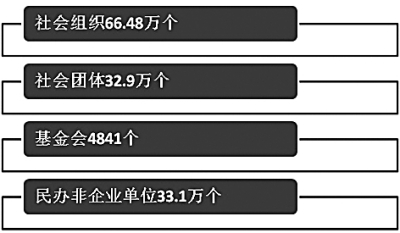
  (D) the inertia of the traditional system. The outstanding performance is as follows: first, the concept lags behind, the "end of the story" is reversed, and the value orientation of social governance is misplaced. When some departments perform social governance functions, their value orientation is not based on the concept of "citizen standard", "society standard" and "rights standard", but on "official standard" and "government standard", which seriously affects the government’s social governance function. Second, pay attention to economic growth and despise social development. Taking GDP as a hero leads to the disharmony between social development and economic development, and social development lags behind economic development for at least ten years. Third, the party and government are not divided, and the political society is not divided. Before the reform and opening up, we distorted the Marxist concept of state in practice, copied the Soviet model, and formed a governance system of "nationalization of social governance", which led to the integration of political parties, the state and society, and led to the party’s over-concentration and meticulous governance of social affairs. Fourth, the transformation of government functions is not in place. It should be acknowledged that great achievements have been made in government reform over the years, government functions have changed greatly, service awareness has been greatly enhanced, and the construction of service-oriented government is continuing to advance, but there are still many aspects that need reform. Fifth, the development of social organizations is not enough, and the space for playing its role needs to be improved. As of the first quarter of 2016,There are 664,800 social organizations with competent departments and registered by civil affairs departments, including 329,000 social organizations, 331,000 private non-enterprise units and 4,841 foundations. Social organizations have initially played an important role in social governance and public services, but on the whole, their development is not mature enough, which is mainly manifested in four aspects: First, they have a strong administrative color and low autonomy. Judging from the existing social organizations in China, most of the social organizations that are more influential in society are government-run, government-run, or have a high degree of government-run. Second, the composition structure is unreasonable and its function needs to be improved. At present, the development of social organizations in China is very uneven. Mutual benefit organizations, especially mutual benefit economic organizations, such as trade associations and chambers of commerce, develop rapidly, while public welfare social organizations, such as foundations and private non-enterprise units, develop relatively slowly. Third, the legal system of social organizations is not perfect. At present, there is no Social Organization Law to regulate and protect the activities of social organizations. Fourth, the understanding is not in place and the function of social organization is not well understood.

  3. Innovative basic ideas and solutions of social governance.

  The basic ideas of innovating social governance should be: we must focus on safeguarding the fundamental interests of the overwhelming majority of the people, give full play to the leading, collaborative, autonomous, self-disciplined and mutual-disciplined roles of multiple subjects in social governance, integrate social governance resources, and form a pluralistic governance structure; It is necessary to organically combine the rule of virtue with the rule of law, so that the rule of law plays an increasingly important role in regulating society; We should let all kinds of forces conducive to social stability and the growth of a harmonious society compete in generate, comprehensively promote the construction of a peaceful China, safeguard national security, and ensure that people live and work in peace and contentment, social stability and order, and national security and harmony.

  To this end, we should solve three basic problems in path selection and key grasp.

  (A) What does social governance govern: "two levels and one tone"

  Social governance is mainly a process in which party committees, governments and various social organizations regulate the behavior of social members by means of law, administration and morality, and organize, coordinate, serve, supervise and control social public affairs in order to promote the coordinated operation of the social system. The purpose of doing this is to meet the social needs of the broad masses of social members, solve social problems, resolve social risks, and achieve social stability, order and vitality. The author makes a systematic review of the central government’s literature and academic viewpoints on social management and social governance in the past ten years, and thinks that the content of social governance can be summarized into three aspects, which are referred to as "two levels and one tone" for short, including: first, the platform construction of social governance, including the establishment of a new pattern and system of social governance, and the establishment and improvement of social organizations and community platforms. The second is the construction of peace, covering social security, emergency mechanism, national security construction and other fields. The third is to coordinate three relationships, namely, the relationship between dominance and subjectivity, maintaining stability and safeguarding rights, and the relationship between the rule of law and the rule of virtue.

  According to a large number of investigations and observations, at present, in the actual work in various places, daily social governance is mainly in two aspects, one is safe construction, and the other is guaranteed work. The former is mainly done by the Political and Legal Committee, the Public Prosecution Law and the Letters and Calls Department; The latter is mainly responsible for civil affairs, social security and other departments. As a relatively independent social governance system, it should have richer connotations, including the three major aspects mentioned above. The specific content can be increased or decreased with the change of the situation, but the big framework should be relatively fixed.

  (B) Who will govern social governance: multi-subject governance.

  Since modern times, the understanding of governance subject in foreign theoretical circles has gone through three stages. The first stage was after World War II. Influenced by Keynesianism and the trend of thought of welfare state, public administration theory occupied the mainstream, and the government took care of a series of affairs such as social policy. In the second stage, after 1980s, the new public governance theory characterized by drawing lessons from corporate governance became popular. American scholars Gueble and Osborne put forward in their book Reinventing Government that the function of the government is to steer, not to paddle, that is, many government responsibilities can be outsourced through contracts. The third stage is the beginning of the 21st century, when the new public service theory rises. The representative work of this theory — — Denhardt’s book "New Public Service" puts forward that the government’s duty is to serve, not to steer, and the government should try its best to meet the individual needs of citizens, not to make decisions for the people. These viewpoints are instructive for us to understand the new pattern and system of social governance with China characteristics.

  The report of the 18th National Congress of the Communist Party of China put forward that it is necessary to "speed up the formation of a social management system under the leadership of the Party committee, with the government taking responsibility, social coordination, public participation and the guarantee of the rule of law". This statement clearly shows that the main body of governance is pluralistic, and the biggest difference from the traditional highly centralized social governance system is the emphasis on social coordination, public participation and legal construction. The implementation of this point will greatly change the relationship between the state and society and take substantial steps towards "small government and big society". Party committees should "grasp the big picture", mainly "look up at the road" and do a good job in the top-level design of social governance values, strategic planning and system construction. The government is mainly responsible for "serving". According to the requirements of changing functions, rationalizing relations, optimizing structure and improving efficiency, we should improve the government responsibility system, strengthen social governance functions, strive to build a service-oriented government, provide more and better public services, and meet the diversified needs of citizens. Social coordination, the key point is to give full play to the synergy of mass organizations such as workers, young women, grassroots mass autonomous organizations and social organizations, and form a social governance and public service network in which the party Committee, government and social forces are interconnected, complementary and interactive. Compared with the government, social organizations have the natural advantages of social network and social capital, which can extend their tentacles into the daily life of ordinary people and deeply understand the individual demands of citizens. Public participation, mainly "Autonomy ",without social autonomy, there will be no social good governance. It is necessary to widely mobilize and organize the masses to participate in social governance and public services rationally and orderly according to law, so as to realize self-governance, self-service, self-education and self-development. Social governance is a governance in which the whole society participates. We must mobilize the enthusiasm of every citizen and form a good situation in which everyone participates in social governance and everyone shares in a harmonious society. The guarantee of the rule of law is mainly about means. Governing the country according to law is our general requirement. As a part of the whole social system, social governance also needs the fundamental guarantee of the rule of law. The Central Committee of the Communist Party of China’s Decision on Several Major Issues of Comprehensively Advancing the Rule of Law, adopted by the Fourth Plenary Session of the 18th CPC Central Committee, has played a great role in standardizing and improving the level of social governance from the perspective of emphasizing the role of the rule of law.

  (C) How to manage social governance: establish a correct value orientation and take a multi-pronged approach.

  1. Innovate the concept of social governance and focus on solving the problem of who governance is for. First, we must firmly establish the people-oriented concept. In the final analysis, social governance is to govern and serve people, and constantly realize, safeguard and develop the fundamental interests of the overwhelming majority of the people. Second, we must firmly establish the concept of service priority. Comrade Deng Xiaoping once pointed out that "leadership is service". Today, we innovate the concept of social governance, especially keeping in mind the teaching of Comrade Xiaoping. Third, we must firmly establish the concept of the rule of law. When the report of the 18th National Congress of the Communist Party of China proposed to speed up the formation of a social governance system, the article "guarantee by the rule of law" was added in particular, which showed that social governance must be governed by law, both reasonable and legal.

  2. Strengthen the leading role and service function of the government in social governance, and solve the problem of excessive governance and governance gaps. The so-called excessive governance means that for the same problem, many social governance subjects have to govern and show their authority. As a result, the multi-headed governance, offside for profits and cross-dislocation, the more the governed object is governed, the more it dies. When it is really necessary to solve the problem, the governance subjects are unclear in their responsibilities, buck passing and internal friction, and they have the name of governance without the reality of governance. The common people often say that "nine big caps are holding a broken straw hat" and "Kowloon controls water and floods are endless", which is the truth. The so-called governance gap is that the pipe is unattended and can’t be managed, and there is a blind spot. The government should provide public services wholeheartedly and truly transform into a service-oriented government.

  3. Build a social organization platform, actively cultivate and develop social organizations, and solve the problem of no resources for social governance. At present, many social organizations in China are facing the difficulties of capital shortage. The measures that can be taken in this regard are: first, the government entrusts management, that is, the government changes the integration of ownership and management rights into the separation of ownership and management rights, and entrusts state-owned welfare facilities to private operators. The successful operation of some social organizations in Pudong, Shanghai, is actually a model entrusted by the government. Second, the government purchases services. The "Thirteenth Five-Year Plan" points out that the government will no longer directly undertake innovative ways of providing public services that can be provided by the government. Can be provided by the government and social capital cooperation, widely attract social capital to participate. The third is government subsidized services. The main idea in this regard is that the state finance directly allocates funds to social organizations to help them realize their functions effectively.

  4. Build a good community platform, improve the new community governance and service system, and further strengthen and improve the grassroots social governance and service system. The report of the 18th National Congress of the Communist Party of China puts forward new requirements for the construction of urban and rural communities, that is, to establish a new community governance system with the leadership of community party organizations as the core, the residents’ autonomy as the foundation, the extensive participation of residents, and the interaction and cooperation of various community organizations, so as to effectively improve the level of community governance. Orderly governance, perfect service, civilization and peace are the general requirements for community construction. Standing in the community to see the community, the community is called the community name area, and the community construction should be socialized; Looking at the community outside the community, the community is named as a famous community. We should pay attention to the integrity of community construction and give play to the overall role of the government. Some problems that cannot be solved in the community must be coordinated and solved by the government.

  5. Extensive mobilization to attract public participation. To strengthen and innovate social governance, we must widely mobilize and organize citizens to participate in social governance rationally and orderly according to law, guide citizens to understand their responsibilities and obligations while enjoying their rights, and unify rights, responsibilities and obligations.

  To strengthen and innovate social governance, it is essential to establish a new service concept based on society and guided by residents’ needs, to create a new balance between vitality and stability, and to build a new relationship between government and society. At present, the main task is to promote the refinement of social governance under the new requirements of innovative social governance system and build a social governance pattern that all people build and share.

  (Xie Zhiqiang, the author is a professor at the Party School of the CPC Central Committee)
How much do you know about "social fear"?

Dandelion home

An interesting and healing place.

If you can’t let go when you go out to play karaoke with everyone,

I can only hide in the fall and brush my mobile phone silently;

When you face "Mr. Tony" and enthusiastically recommend a card,

Whether you can’t refuse to do your hair,

Can only be reluctant to accept;

When you are asked to introduce yourself,

Is it like being in the throat when faced with "public punishment"?

I can only stutter.

If so, congratulations,

You are probably a "social phobia" patient.

So how much do you know about the hotly debated "social fear"?

What is "social fear"?

Social phobia is a subtype of phobia. Phobia, originally called panic neurosis, is a kind of neurosis. It is mainly manifested by excessive and unreasonable fear of some external objective things or situations. Patients know that this fear reaction is excessive or unreasonable, but it still appears repeatedly and is difficult to control.

Panic attacks are often accompanied by obvious anxiety and autonomic nervous symptoms. Patients try their best to avoid objective things or situations that lead to fear, or endure with fear, thus affecting their normal activities.

Why do you get "social fear"?

The source of "social fear" is divided into two main reasons: biological factors and social psychological factors. Biological factors are related to his own innate factors. Such as genes, stuttering and so on.

Socio-psychological factors indicate that social phobia is influenced by significant family and social factors. For example: family defects, environmental factors, social cognitive factors and so on.

What are the specific manifestations of "social fear"?

Specific manifestations: First, the emotional experience is not good, and there will be anxiety, fear and even hostility in social or imaginary social occasions. The second is physical symptoms, which may be accompanied by symptoms such as blushing, sweating, partial body rigidity, stuttering, and unsmooth speech. Third, the social security area is gradually shrinking, and there is a preset self-security area in the heart, which avoids the unsafe and uncomfortable social interaction that I think and retreats to the inner security area.

How to alleviate "social fear"?

1. Don’t put yourself in the right place at will. Pay too much attention to the eyes of others, feel that others are paying attention to themselves, and their every move is being paid attention to by others.

2. Control your breathing and try to relax yourself in a comfortable position when taking a deep breath. Relax your shoulders, inhale through your nose for 4 seconds, pause for 2 seconds, and exhale through your mouth for 6 seconds, and so on until you calm down.

3. Face the situation that scares you. Try to make a list of your fears. What are you afraid of? Where does this fear come from? What is the root cause? When will it appear? When will it be less serious? When will it be more serious and so on can help you to look at the source of your fear objectively.

There are too many misunderstandings about the social fear crowd. However, it is not that we are unwilling to talk, but that we are afraid of the embarrassment of becoming a "topic terminator"; It’s not that we don’t want to get together, but that we are afraid of being more lonely and deserted in the excitement; It’s not that we don’t want to be a gregarious person, but that we are afraid of paying our hearts wrong and hurting others unintentionally.

Most people who are afraid of society enjoy loneliness. But maybe, it just seems to enjoy loneliness. After all, sometimes we want to be people who can laugh and laugh freely in groups.

Read the original text