Green China "Addition and subtraction" | From "Huajia" Oilfield to "Zero Carbon" Oilfield

  CCTV News:Between the increase and decrease of energy data, what we see is the determination and potential of the country in the green development of energy. Then, under the background of advocating green development in the new era, how should traditional energy enterprises develop?

  Among many oil and gas field enterprises in China, there is an old oil field that has been exploited for 61 years — — Jilin oilfield. Due to the poor quality of innate resources and the further deterioration of remaining resources, this old oil field has suffered losses for seven consecutive years since 2015. But the financial settlement data in January this year showed that Jilin Oilfield realized a profit of more than 160 million yuan.

  On the bank of Chagan Lake in Songyuan, Jilin Province, the largest oil production platform in Asia stands here, and Zhuang Wenfeng, a former oil production worker, is inspecting in his new post.

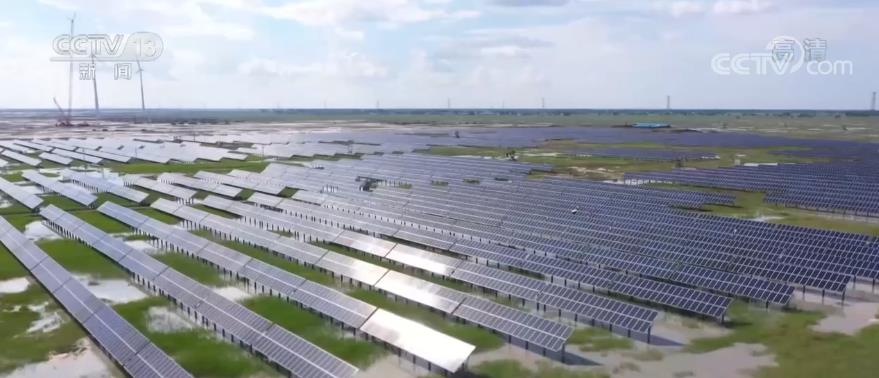
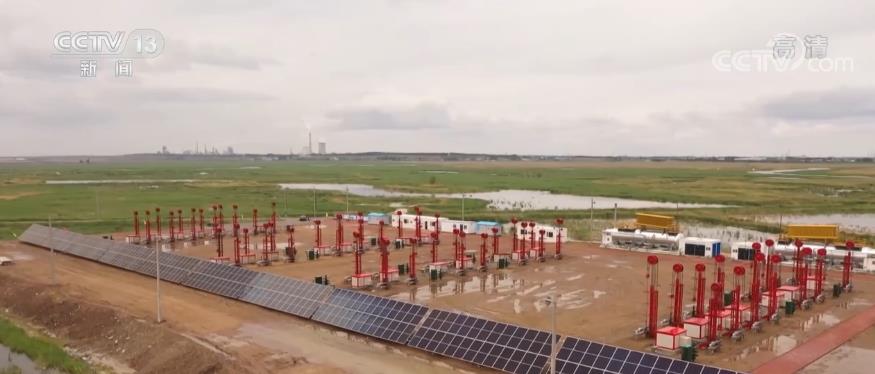
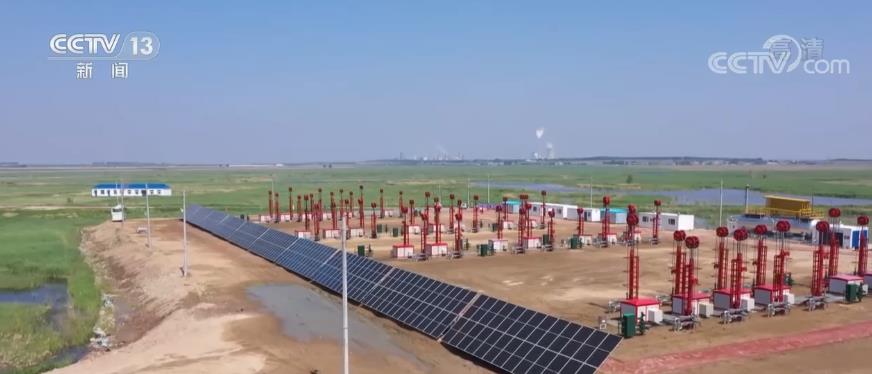
  Zhuang Wenfeng told reporters that before, oil production equipment was mainly driven by traditional coal-fired electricity, which had high energy consumption and high pollution risk coefficient. In particular, the Xinli No.16 platform well where he worked was adjacent to Chagan Lake Nature Reserve, and the environmental protection requirements were very high. As a result, Jilin Oilfield completely changed the photovoltaic power generation equipment in Xinli No.16 platform well, and Zhuang Wenfeng also changed his model.

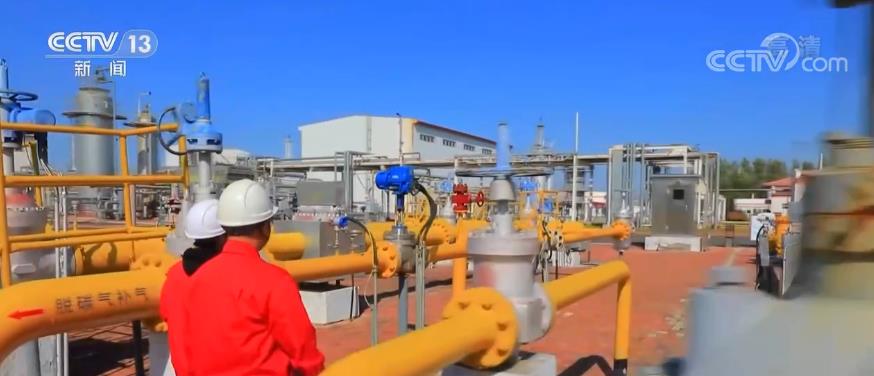
  At present, new energy power generation is accelerating to replace grid power in Jilin Oilfield, but this is only one of the measures for the transformation of this "Huajia" oilfield. The only China project among the 21 large-scale carbon capture, utilization and storage projects in the world is running in the Gan ‘an Love Word wasteland, which is more than 100 kilometers away from Chagan Lake.

  The carbon dioxide produced in the production process of the oil field is captured here, and then the electricity generated by new energy is continuously injected into the ground, which increases the output of the oil field by 10%, but the production process is more low-carbon and environmentally friendly.

  Saving costs by new energy generation and increasing output by carbon capture and utilization have laid the foundation for turning losses into profits. However, the ambition of this "Huajia" oilfield is not just to make a profit, but its goal is a "zero carbon" oilfield.

Interview with Chen Zhuoxi, member of Chinese People’s Political Consultative Conference in Hong Kong: National education should be put into Hong Kong for further study assessment.

"I hope that young people in Hong Kong will visit and exchange more in the Mainland and have a deeper understanding of the country."

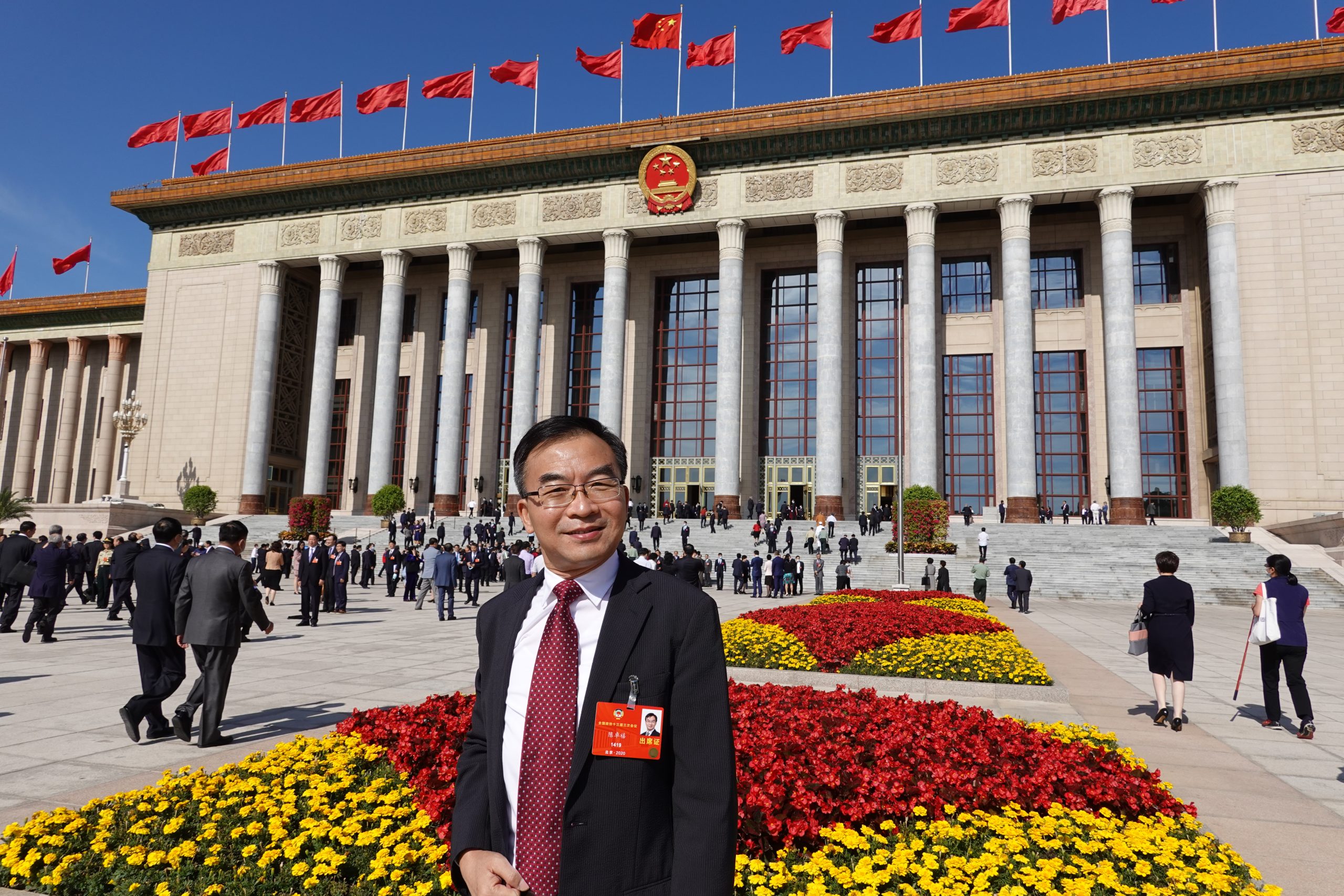
Chen Zhuoxi, member of the Chinese People’s Political Consultative Conference and president of Hong Kong Professional Continuing Education School (hereinafter referred to as "Hong Kong College"), told The Paper (www.thepaper.cn).

Chen Zhuoxi graduated from the Chinese University of Hong Kong and worked in tvbi. Later, he joined the education sector as the principal of the Hong Kong College.

Chen Zhuoxi, member of Chinese People’s Political Consultative Conference Port Area.

At the end of 2017, Hong Kong College held a graduation ceremony, and two graduates were asked to leave the scene because they failed to abide by the school rule of "Standing when playing the national anthem". As the principal, Chen Zhuoxi had an open dialogue with the students who came to the scene outside. He told the students: "As a patriotic school that loves Hong Kong, Hong Kong College must hold high the patriotic flag. There is no room for compromise, even in colonial times. If you don’t even know this, you have chosen the wrong school. "

His speech with such a clear stand sparked heated discussion, so he was also called "patriotic president" and "president who protects the national anthem".

On January 24, 2018, he was elected as a member of the 13th National Committee of Chinese People’s Political Consultative Conference. As an educator in Hong Kong, Chen Zhuoxi hopes that young people in Hong Kong can seize the opportunity and determine their future development direction.

Recently, The Paper interviewed Chen Zhuoxi and asked him to talk about the present and future of education in Hong Kong.

Putting national education into the assessment of further education in Hong Kong

The Paper: What are your main proposals for the National People’s Congress this year?

Chen Zhuoxi:I have a proposal on the theme of getting rid of poverty through education, and developing national education for young people in Hong Kong. Many young people in Hong Kong like to go abroad for a "Working Holiday". I think we can use similar methods to get young people in Hong Kong to participate in education in the Mainland to get rid of poverty. China has reached the last year of poverty alleviation this year, but it is still necessary to prevent it from returning to poverty. Although absolute poverty will be solved, there is still a problem of relative poverty in social development. How to solve the problem of relative poverty through education may be a good direction.

The Paper: How to involve Hong Kong youth?

Chen Zhuoxi:We want some interested young people from Hong Kong to take part in relevant work in the Mainland, even for half a year or a year. In addition, some primary and secondary schools in Hong Kong have already twinned with the mainland. If the twinning of sister schools is transferred to poor areas, teachers, students and parents of primary and secondary schools in Hong Kong will be organized to help primary and secondary schools in poor areas in the mainland in whatever way they can, and parents of Hong Kong students will be organized to visit and exchange in the mainland. In addition, sister schools in Hong Kong and the Mainland can also work together to get rid of poverty through education, so that everyone can participate in education to get rid of poverty.

The Paper: In your opinion, is this year’s NPC and CPPCC different from the past?

Chen Zhuoxi:The biggest difference this time is the epidemic situation. I think everyone really feels the whole process of epidemic prevention management. We have made great achievements in epidemic prevention, but the epidemic situation still affects the arrangement of the two national conferences this year, and each meeting is not long. In addition, as a member of Chinese People’s Political Consultative Conference Port Area, I feel that there is another difference: the Hong Kong issue has become a very important topic for the two sessions of the National People’s Congress. This will have a great impact on Sino-US relations, the world situation and the local situation in Hong Kong. We should also make psychological preparations and work preparations to cope with changes in the external environment.

The Paper: As an educator, do you think there is a problem with national identity education in Hong Kong?

Chen Zhuoxi:Education in Hong Kong is divided into two kinds of education: narrow sense and broad sense. Education in a narrow sense mainly refers to the education system in Hong Kong, while education in a broad sense refers to the growth environment of young people in Hong Kong. At present, the growth environment of young people in Hong Kong is not good. Their information and thinking are controlled by rumors and fake news of social media, ethnic groups are torn apart, and hatred is antagonistic, which is not conducive to the healthy growth of young people in Hong Kong.

The Paper: How do you think this situation should be changed?

Chen Zhuoxi:There are many problems in education, and a general plan is needed. I think Hong Kong may have to carry out education reform. For example, courses such as China history and national education should be changed in the curriculum of Hong Kong students. Not only that, but also the requirements of college students should be adjusted to achieve interlocking. After all, entrance examination is a baton, and only examination can effectively implement and influence the curriculum arrangement. If the entrance examination system does not change, the overall change will not be easy.

The Paper: How can we make such an education system effective?

Chen Zhuoxi:Hong Kong’s education management departments should play a role, especially in management. It is very important that both primary and secondary schools and universities should act against abnormal violations. I believe that with the changes in the general environment and the implementation of these tasks, the situation in Hong Kong should change, but it cannot be completely changed for a while.

Young people in Hong Kong are still more concerned about further studies and employment.

The Paper: What do you think of young people in Hong Kong?

Chen Zhuoxi:Although there was a storm of amending laws in Hong Kong last year, I think that, on the whole, the vast majority of young people in Hong Kong are not the situation presented by the media. Most of them are not interested in politics, but are more concerned about future issues such as further studies and employment, including their own immediate interests. At present, their attention and attitude are only affected by the environment in stages. After all, the social situation has had a great impact on them. As long as the situation cools down, I believe they will gradually return to their own future, further studies and employment.

The Paper: Hong Kong College is a private school with clear patriotic views. Is it difficult to survive in the current environment of Hong Kong?

Chen Zhuoxi:Our school’s popularity and influence in Hong Kong society is still relatively small, including some teachers. Because of their different political positions, they do not recommend or even oppose students to study in Hong Kong, which makes our enrollment more difficult. We are the only private patriotic university in Hong Kong, which was suppressed before the reunification. Therefore, we are congenitally deficient and cannot be compared with public schools in terms of equipment and school conditions.

The Paper: Has the situation improved in the past two years?

Chen Zhuoxi:Because the situation of congenital deficiency before the reunification has not been well reversed, and the education authorities in Hong Kong adopt the theory of market competition for private schools, usually the government will give you more support if you do very well, so the distance between us and public schools is getting wider and wider.

The Paper: How does your school establish a normal teaching order?

Chen Zhuoxi:At present, students are taking classes online at home, so the school situation is still very calm. Last year, when there was a storm of amending laws, although some students took to the streets, there were very few students, which had no impact on the overall situation of our school. We also made rules with teachers. We hope that teachers and other colleagues and staff will take students’ fundamental interests and care for them, and will not encourage students to commit any illegal acts, let alone take part in dangerous actions, including if students want to hold activities and put up slogans in the school, and we will also guide them to express their opinions within the framework of certain rules and systems. As a school, it is natural for students to have different positions and views on things, but we still hope that they have a certain order.

The Paper: How do you usually guide them?

Chen Zhuoxi:I hope students can’t just say simple slogans, but speak their positions accurately. I also organized some students to meet with me, encouraging them to master the ins and outs of the problem and learn to think independently, so as to put forward a level of opinion. Although they haven’t fully accepted my opinion, and even some students with different positions find it hard to accept it for a while, I think it is necessary to have a dialogue to let everyone know each other’s positions.

The Paper: Do you have any other ways to improve students’ communication and understanding of the Mainland?

Chen Zhuoxi:We attach great importance to students’ deep understanding of the mainland, and often organize students to exchange internships in the mainland, not only for visits, but also for in-depth communication, especially for making friends. This is a sustained and long-term relationship, which requires two-way communication. Our students visit a school in the mainland, and teachers and students from this mainland school will also come to Hong Kong for exchanges, including students from both places visiting each other’s families and eating. This is a deep interpersonal communication. We are designing a business start-up plan for Greater Bay Area, so that students can participate in internships and start-ups in the Mainland, and face young people in Hong Kong in the form of rehabilitation, so that they can go from perceptual knowledge to careful experience, and finally rise to theoretical knowledge. In any case, we hope to explore more experiences and models and finally promote them in Hong Kong.

The United States asked for revision of prescription drug instructions for opioid cold and cough

  The website of the Food and Drug Administration (FDA) of the United States released a message, announcing that according to the results of a comprehensive evaluation and external expert consultation, the instructions of opioid cold and cough prescription drugs should be revised. Both this assessment and the expert meeting confirmed that in patients under the age of 18, the risk of respiratory retardation or difficulty, misuse, abuse, addiction, overdose and death caused by such drugs outweighed its benefits.

  Prescription drugs containing codeine and hydrocodone can be used in combination with other drugs such as antihistamines and nasal decongestants to treat cough and symptoms related to allergies or the common cold. Other non-opioid prescription drugs and OTC drugs can also treat the above symptoms.

  The FDA requires that the safety information of prescription drugs for opioid cold and cough containing codeine or hydrocodone be revised to limit the use of these products only to adults aged 18 and over. At the same time, FDA requires that the safety information about misuse, abuse, addiction, overdose, death and respiratory retardation or difficulty of such drugs be added to the black box warning of the instructions in the most eye-catching way. For the list of cold and cough prescription drugs containing codeine or hydrocodone, please refer to the drug safety newsletter issued by FDA. Some cough drugs containing codeine are OTC drugs in some States of the United States, and FDA is considering taking regulatory measures for these products.


  Suggestions for medical staff:

  It should be known that the FDA is revising the age range of people who are suitable for opioid cold and cough prescription drugs. These products will not be used in children and are no longer recommended for people under the age of 18. Medical staff should inform parents that cough caused by cold or upper respiratory tract infection is self-limited and usually does not need treatment. For children who must be treated with antitussive therapy, alternative drugs can be used. These drugs include OTC products such as dextromethorphan, and benzoxazole ester prescription drugs.


  Suggestions for parents and caregivers of children:

  It should be known that children should not be given cold and cough prescription drugs containing codeine or hydrocodone. Codeine or hydrocodone are opioid narcotic drugs, which will bring serious risks to children. It should be understood that cough caused by cold or upper respiratory tract infection usually does not need medical treatment. If cough medicine is a prescription medicine, you should ask the child’s competent medical staff or pharmacist whether the medicine contains opioids such as codeine or hydrocodone. Always read the label on the medicine bottle. If the drugs prescribed for children contain opioid drugs, they should discuss with the competent medical staff of children to replace them with another non-opioid drug; If you have any questions or concerns, you should also ask the competent medical staff.

Thermal interpretation | The general secretary of this Yellow River water diversion scheme requires steady optimization and adjustment.

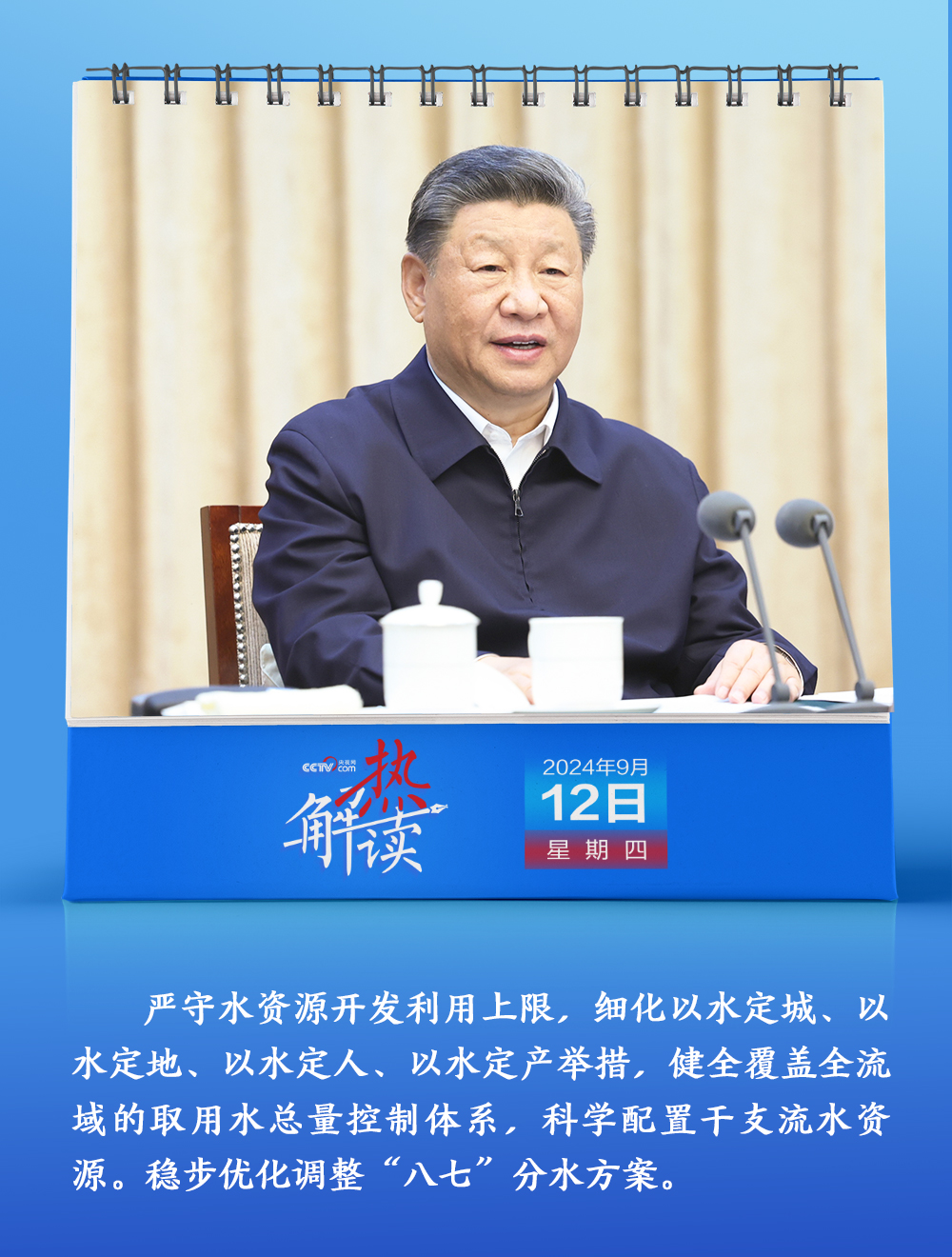
On September 12th, General Secretary of the Supreme Leader, who visited Lanzhou, Gansu Province, once again presided over the symposium on comprehensively promoting ecological protection and high-quality development of the Yellow River Basin, following the symposium on ecological protection and high-quality development of the Yellow River Basin in 2019 and the symposium on further promoting ecological protection and high-quality development of the Yellow River Basin in 2021.

At this symposium, the General Secretary explicitly requested "strictly observe the upper limit of water resources development and utilization, and refine the measures of determining cities, land, people and production by water" and "steadily optimize and adjust ‘ August 7th ’ Water diversion scheme ".

The "Eighth Seven-Year Plan" is a water allocation plan for the Yellow River approved by China in the 1980s. Based on the actual water consumption in 1980, the plan comprehensively considers the scale of irrigation development, the growth of industrial and urban water consumption and the construction of large and medium-sized water conservancy projects in the provinces along the Yellow River to allocate water rights for the Yellow River. The "August 7th" water diversion scheme has been used since it was approved by the State Council in 1987, and has not been readjusted.

Since the implementation of the "Eighth Seven-Year Plan", the trend of excessive growth of water consumption in various provinces along the Yellow River has been effectively curbed, in order to make rational use and save protectionDevelopment of Water Resources in the Yellow River BasinPlayed an important role.

However, with the development of economy and society, the shortage of water resources has increasingly become an important factor restricting the development of areas along the Yellow River, and some provinces and regions along the Yellow River have issued calls from time to time to adjust the "eighth seven-year plan".

From a historical point of view, when the water was divided in 1987, due to the underdeveloped economy at the source of the Yellow River and the upstream provinces such as Qinghai and Gansu, the water resources of the Yellow River were allocated very little.

From the economic point of view, compared with the water division in 1987, the proportion of industries along the Yellow River and Nine Provinces has been adjusted, and the proportion of primary industry has decreased. It is obvious that the distribution of water based on agricultural irrigation water is no longer suitable for the current development needs.

From a practical point of view, with the completion and operation of the East Middle Route of South-to-North Water Transfer Project and Xiaolangdi Project, the Yangtze River can be used to divert water from Shandong, Hebei, Henan and Tianjin in the lower reaches of the Yellow River.

Therefore, the water resources in the Yellow River Basin are ready for reallocation.

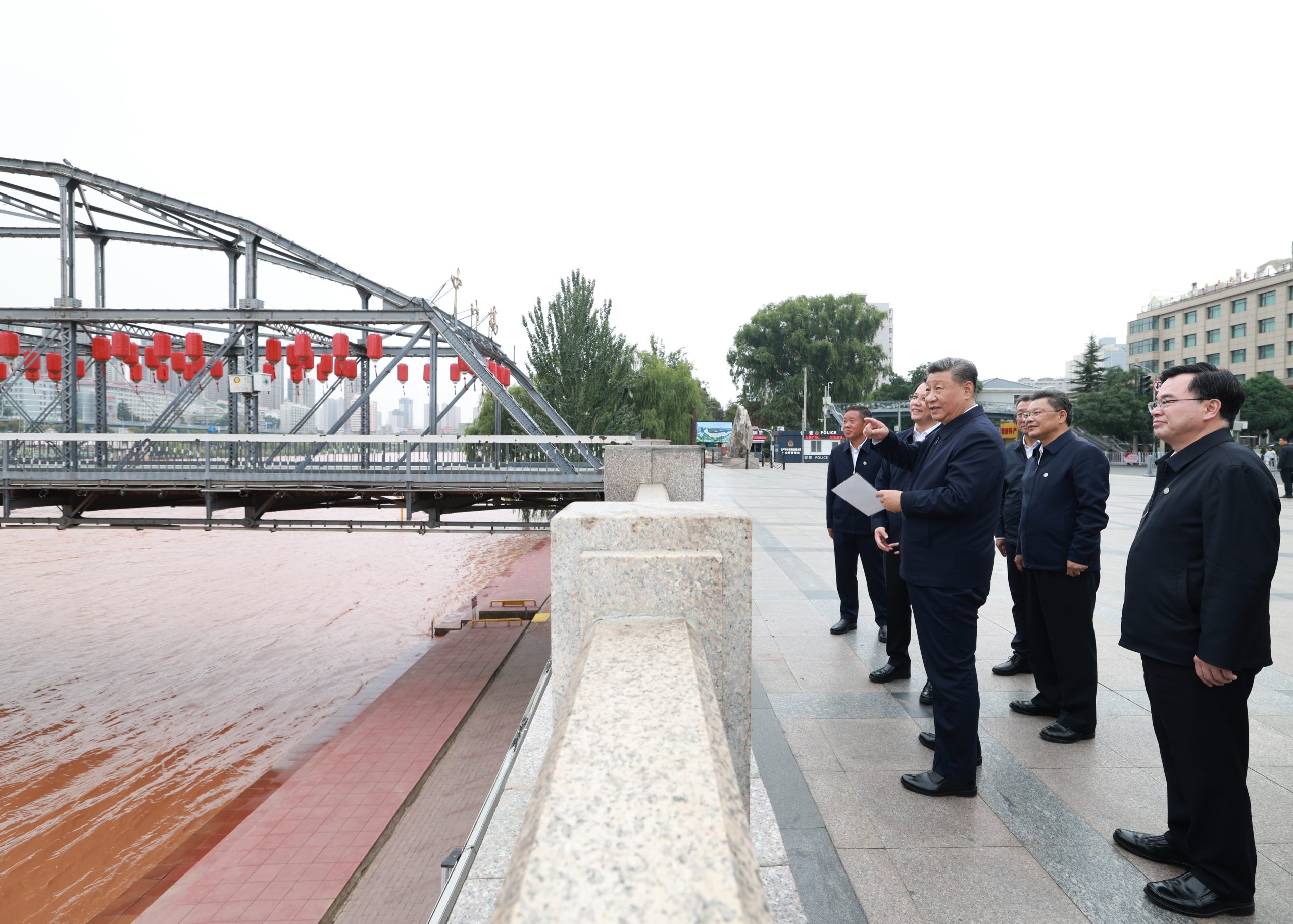
△ On September 11, 2024, General Secretary of the Supreme Leader came to the Zhongshan Bridge section of the Yellow River in Lanzhou City, Gansu Province to learn about the local promotion of ecological protection in the Yellow River Basin.

Water is the source of life and necessary for production. With limited water resources accounting for 2% of the country, the Yellow River Basin undertakes the task of supplying water to 12% of the country’s population, 17% of cultivated land and more than 50 large and medium-sized cities, and the contradiction between supply and demand is particularly prominent.

What’s the solution to the problem?

In recent years, from Fenhe River to Sanjiangyuan, from Wuliangsuhai to the mouth of the Yellow River, General Secretary of the Supreme Leader has traveled all over the nine provinces and regions in the upper, middle and lower reaches of the Yellow River, and conducted in-depth research and thinking on how to solve the problems faced by the ecology and development of the Yellow River basin under the new situation.

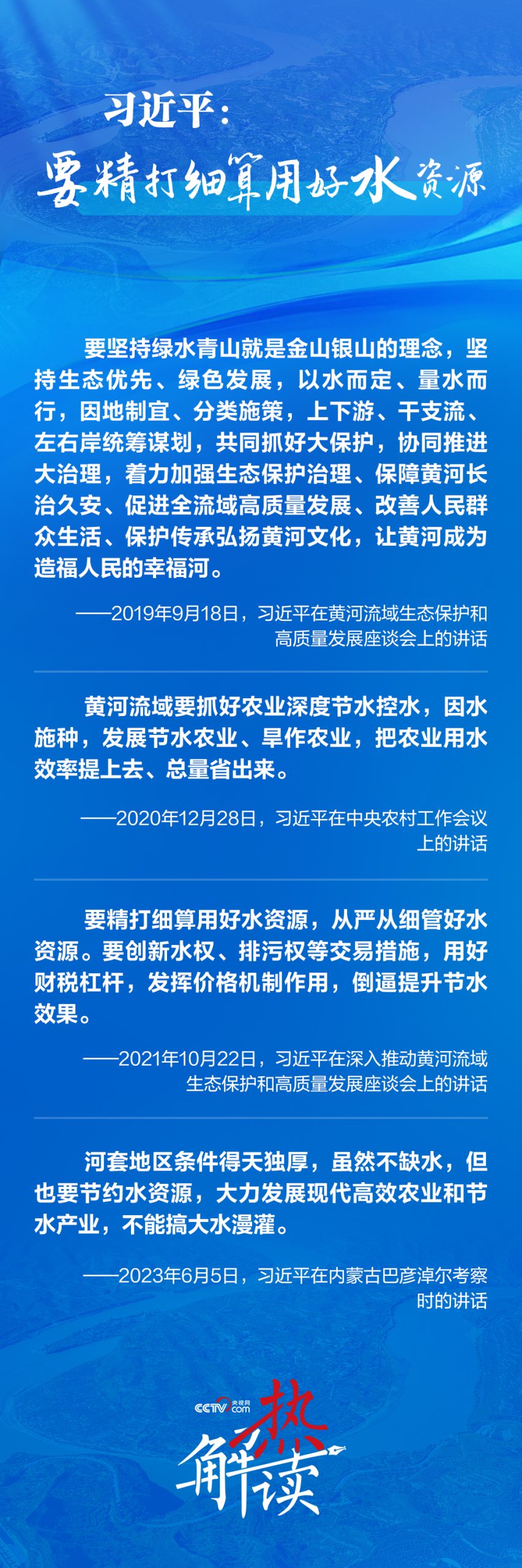
On September 18, 2019, at the symposium on ecological protection and high-quality development in the Yellow River Basin, the general secretary’s words were firm: we must adhere to the principle of water-based cities, land, people and production, and take water resources as the greatest rigid constraint, and rationally plan the development of population, cities and industries.

Since then, the whole Yellow River basin has taken action, and the simple truth of "how much soup is soaked" has been deeply rooted in the hearts of the people.

Ningxia issued the implementation plan of "four waters and four determinations", the Yellow River water, groundwater, unconventional water and other different water sources are allocated and dispatched in full caliber, and a water distribution system with indicators reaching county, district management and industry overall planning is constructed to explore a high-quality development path that promotes urban development, industrial layout, land use and water resources carrying capacity.

Inner Mongolia actively promotes the reform of water rights. By May 2024, Inner Mongolia had transferred 443 million cubic meters of Yellow River water by relying on the water rights trading platform, which solved the water shortage problem of more than 260 industrial projects.

Shanxi focused on steel, chemical industry, cement, non-ferrous metals, food and other high water-consuming industries, and created 14 provincial-level water-saving enterprises, effectively improving the level of water resources conservation, intensive and safe utilization.

… … … …

At this symposium, the general secretary further emphasized that "actively explore and standardize the promotion of water rights transactions" and "implement water-saving actions to accelerate the construction of a water-saving society" areRational useThe water resources of the Yellow River point the way.

Water makes everything flourish. "Steady optimization and adjustment ‘ August 7th ’ Water diversion scheme ",comprehensively implementing the principle of" four waters and four decisions "and carefully doing this big article on" the relationship between people and water "will definitely inject new vitality into the ecological protection and high-quality development of the Yellow River Basin.

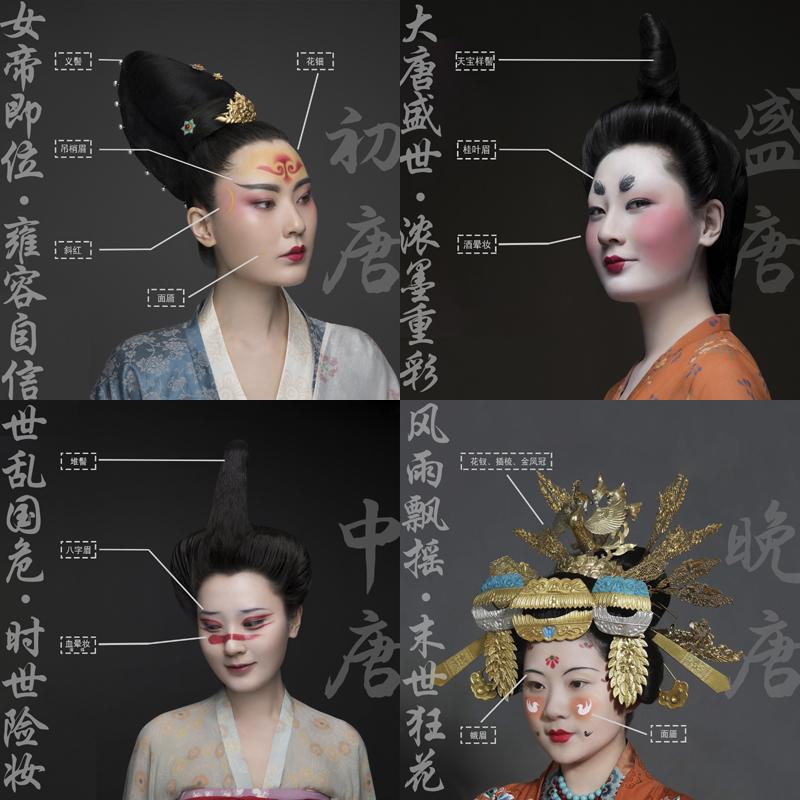
The ancient makeup was the most complicated and gorgeous in the Tang Dynasty, which was related to the great cultural integration and women’s self-confidence.

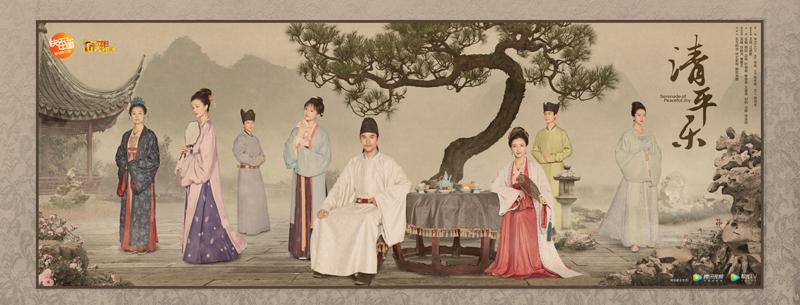
When The Longest Day In Chang’an was popular, the flower buds of women in the Tang Dynasty were impressive. Qingpingle, which followed closely, was also regarded as a highly restored history because it presented the makeup of Pearl in the Song Dynasty.
The development of makeup research in recent years is behind the film and television drama’s efforts to restore the face of ancient life from a large number of "shocking people" in the past. Chen Shiyu, the service director of film and television dramas such as Qingpingle, is a scholar of costume history and arts and crafts. He studied under Mr. Sun Ji in Beijing Institute of Fashion Technology and is also a consultant on the history and service of CCTV’s National Treasure program. Li Ya, a professor in the Department of Stage Art of Shanghai Theatre Academy, has also written works such as History of Ancient Jewelry in China, Streaming Earrings: Earrings in China in Past Dynasties, and Formula of Ancient Makeup in China.
The Beauty of China’s Makeup is a book co-written by Li Ya and Chen Shiyu, which not only presents a complete picture of China’s makeup from the Zhou Dynasty to the Qing Dynasty, but also outlines the social ideological style and aesthetic changes behind it. "The power of power, the restraint of morality, the different tastes of elite culture and market culture have all left a deep mark on women’s makeup in different times." Zhu Liangzhi, a professor of philosophy at Peking University, pointed out in the preface.
"After studying makeup for thousands of years, it is found that human nature is unchanged in ancient and modern times. Pursuing beauty and fashion trends is the commonality of people in all ages, but the forms of expression are different, and some times will be more obvious and more tolerant." Li Ya said.
What is "fish flattery"?
"Makeup as a research topic is very rare." Since studying for a master’s degree in 1999, Li Ya has been deeply involved in the field of cosmetic culture research. At first, I chose to study this direction simply because few people paid attention to it. In 1981, after the publication of Shen Congwen’s "Research on Ancient Chinese Costume", ancient costume became a research hotspot, but few people paid attention to the makeup that appeared in ancient murals and poems together with costume.
After Li Ya really entered the field of decoration research, she found it very difficult. First of all, there are no first-hand cultural relics, and makeup must be attached to the human body, and once the human body rots, makeup will be gone. Therefore, compared with other material and cultural studies, makeup lacks first-hand material information and can only be studied through other channels. Auxiliary research approaches include literature scattered in history books, note novels, poems and songs, as well as image research including ancient figure painting and figure sculpture.
However, whether recorded in words or portraits, either "only know its name but not its shape" or "only know its shape but not its name". In addition, after thousands of years of polishing, many important information has faded, peeled off or lost. As a researcher, we need to collect all the information, and then find a reasonable correspondence between "shape" and "name" in order to restore the historical face of makeup to the greatest extent.
Li Ya and Chen Shiyu have restored a popular makeup "Fish Mei Zi" that appeared in the Song Dynasty. There is only a brief record of this kind of makeup in the History of Song Dynasty, but at first they were completely confused about what it meant to be "a bone in the gills". Later, when I was studying the female crown in the Song Dynasty, I happened to find that there was a kind of "Zhuguan" at that time, which was made of a hard fish stone taken out from the head of herring. After polishing, polishing and oil immersion, it became a translucent gem like agate, which was used as a crown decoration. Only then did they understand that the so-called "Fish Mei Zi" was made by sticking this gem on black paper, thus solving this "small historical puzzle".
The Beauty of China’s Makeup also shows 29 sets of restoration pictures of real makeup. When the ancient makeup appeared on modern people’s faces, the historical gap was broken. In recent two or three years, Li Ya has devoted a lot of energy to the restoration of ancient makeup after her research. She said that it was a practice after she completed the correspondence between "shape" and "name". "This is an uncontrollable desire, and I really want to know what these ancient portraits and sculptures are like when they are restored by real people."
However, the transformation from abstract words to concrete images requires secondary creation, which inevitably has subjective elements. Every scholar will do something based on his own research, which is also a great test for their textual research ability and aesthetic grasp ability. "It is necessary to ensure that the restored ancient makeup conforms to the temperament of that era at first glance."
Women’s status behind makeup
For ancient make-up, a sentence in the Warring States Policy is very classic, "A scholar dies for a confidant, and a woman looks for herself." In fact, Li Ya found that ancient women’s makeup was not as simple as women pleasing people.
The Han Dynasty was the formative period of the ancient aesthetic standards of makeup, and from then on, it laid the characteristics of elegance. At the same time, Confucianism also established the absolute dependence of women on men, and put forward the theory of "three cardinal guides and five permanents" and "respecting yang and belittling yin". Especially the Women’s Commandments written by Ban Zhao in the Eastern Han Dynasty emphasized women’s submission, inferiority and obedience, and "standardized" women in China for more than two thousand years. These thoughts of the times have influenced women’s makeup. Since the Han Dynasty, the makeup style has gradually become humble and feminine, and even some morbid makeup has begun to appear.
Sun Shou was the wife of Liang Ji, a consort and powerful minister in the Eastern Han Dynasty. The Book of the Later Han Dynasty recorded that she was "beautiful in color and good in appearance" and liked to "frown and make up". The so-called "frown" is similar to a figure-of-eight eyebrow, which hangs down, and "crow makeup" means that there seem to be two tears hanging under the eyes. Sun Shou walks "hunched", that is, hunched over, looking ill, and laughing is a "decayed tooth smile" with bulging cheeks like toothache. History books say that this kind of makeup is "charming", but it once became the most popular fashion makeup in Beijing. "’Women are weak and beautiful’ is the most important point in Women’s Commandments, which emphasizes that women should show weakness, not only because they are soft and docile inside, but also because they are weak and weak in appearance, which is why morbid makeup is popular." Li Ya explained.
However, when the status of women in the whole society begins to rise, traditional aesthetics will also be broken. The makeup in the Tang Dynasty is the most complicated and gorgeous in history, and the makeup carrier is also very rich. Especially during the reign of Wu Zetian, the gorgeous makeup reached its peak. A number of painted figurines of the Tang Dynasty in the era of Wu Zetian were unearthed in Astana, Xinjiang. The face of the buried female figurines was swept by thick eyebrows, and the area of rouge blush was extended from under the eyebrows to the side of the face. In addition to the simple fan-shaped shape, the flower-shaped shape on the forehead was also smudged with complex patterns such as flowers, rolling grass and cirrus clouds. The oblique red on both sides of the cheek is not a simple blush, but a complex pattern. Ordinary maids in remote areas are all like this, which shows how charming the makeup of upper-class women in Chang’ an and Luoyang was at that time.
After Wu Zetian abdicated, Princess Taiping and Empress Wei were still active in the power center, and the gorgeous makeup style of Wu Zhou continued until the early years of Emperor Xuanzong’s succession. After the appearance of Yang Guifei, the popular fashion in the Tang Dynasty changed into plump beauty, loose clothes and big red makeup, and finally became an impressive symbol of "prosperous Tang Dynasty". "So the development of makeup is inextricably linked with the strength and self-confidence of women."
Makeup and troubled times
From the makeup, we can also see some changes in social thought. At the end of the Eastern Han Dynasty, the Great Plague, coupled with years of war, caused a large number of deaths. In the Northern and Southern Dynasties, the idea of "reincarnation, karma" spread with Buddhism, and Buddhism was also designated as the state religion in the Northern Wei and Southern Liang Dynasties. In addition to literature, music, sculpture and other fields, Buddhism also influenced the makeup at that time, and yellow eyebrow ink makeup began to appear. When Princess Shouyang of Emperor Wu of the Southern Song Dynasty got married, she painted "eight-character palace eyebrows holding yellow forehead", that is, the eyebrows were eight-character, and yellow makeup powder was painted on her forehead, which was called "yellow forehead". This is because the Buddha is the face of the golden Buddha. With the spread of Buddhism to the east, all kinds of forehead yellow, flower yellow and Buddha makeup began to be popular, all of which were painted yellow on women’s faces.
After the Anshi Rebellion, the Tang Dynasty went into decline. In the mid-Tang dynasty, there was a trend of pursuing weird and grotesque makeup, and Bai Juyi also wrote a special poem "Contemporary Makeup". According to the poem, it was popular for women to draw eight-character eyebrows at that time, and their lips were painted black without lipstick, and their faces were painted with ochre powder instead of vermilion and rouge. The makeup with ochre powder on the face is a kind of makeup from Xizang, which came with the Tibetan army invading Chang ‘an twice after the Anshi Rebellion. The ultraviolet radiation on the Qinghai-Tibet Plateau is very severe, and it is easy for local people to get high original red on their faces, so they will use yak milk to refine a brown whey and apply it to their faces as a mask, which has formed an ochre makeup effect and has been popular in Chang ‘an. Bai Juyi believes that this "dark face" makeup does not conform to the traditional makeup aesthetics of the Han nationality, and it looks "like a sad cry" and is a "phase of troubled times".
"The general trend of the world, the peak will decline, and the full moon will lose. All history can’t escape this trend, and the history of makeup is no exception. After the explosive development in the Wei and Jin Dynasties, and then to the peak of the Tang Dynasty, and finally to the late Tang Dynasty, it was already in a state of profusion and extravagance. In the Song Dynasty, makeup suddenly took a 180-degree turn, from rich and colorful to simple and simple. Moreover, after the Song, Yuan, Ming and Qing Dynasties, little has changed. " Chen Shiyu wrote in China’s Beauty of Makeup.
Reporting/feedback

Ma Qi Lin Zou Mengqiu | |RCEP promotes the study of domestic business environment.

Ma Qi Lin

Professor, Zhejiang Gongshang University Law School

Zou Mengqiu

Master student of Zhejiang Gongshang University Law School

principal items

First, the meaning and development model of business environment

Second, the priority of scientific and technological innovation in the Yangtze River Delta g60 science and technology corridor construction

Third, the development opportunity brought by the signing of rcep for the construction of g60 Science and Technology Corridor

Fourth, the main challenges faced by g60 Science and Technology Corridor in docking rcep

V. Countermeasures and suggestions for g60 Science and Technology Corridor Construction in Yangtze River Delta under the influence of rcep

As a comprehensive, modern, high-quality and mutually beneficial regional free trade agreement, the signing of rcep marks the official launch of a free trade zone covering one third of the world economy, with the largest number of members and the most potential for development, which brings opportunities and challenges to the development of China’s state-owned business environment. The construction of g60 Science and Technology Corridor in the Yangtze River Delta has made the economic development in the Yangtze River Delta region form a unique business environment model dominated by scientific and technological innovation. From the perspective of the planning and construction of g60 Science and Technology Corridor in the Yangtze River Delta, this paper analyzes the opportunities and challenges of rcep in the development of China’s state-owned business environment, and puts forward corresponding countermeasures and suggestions for the challenges.

First, the meaning and development model of business environment

A good business environment in emerging markets not only helps enterprises to carry out market-oriented economic activities, promote the effective flow of processing elements of emerging products, and promote the economic development of emerging industrial product processing enterprises, but also helps to promote the healthy and vigorous development of the socialist market economy with Chinese characteristics. Some scholars believe that the business environment consists of various important factors that may directly promote China’s rapid economic growth, such as "climate, geography, economic development policies, history and socio-economic development". At the same time, some scholars sum up the improvement of China’s business environment as the relevant laws and policies used by the state or an administrative region to promote and regulate commercial activities, and put the complexity of legal supervision process, the completeness of laws and regulations system and the transparency of local government information disclosure into the concept of business environment. At present, the most convincing business environment assessment system is the Business Environment Report issued by the World Bank. According to the comprehensive environmental assessment standard of the World Bank’s Business Environment Report, the business environment refers to "a lot of time and labor costs required by an enterprise in starting a company, applying for a construction supervision license, obtaining public electricity, registering personal property, obtaining commercial credit, paying taxes, cross-border service trade, performing contracts, handling enterprise bankruptcy and so on". In the practice of optimizing the business environment, Singapore, Hong Kong, Shenzhen, Tianjin and other regions in China have developed a unique business environment model, which has certain reference significance for optimizing the business environment of g60 Science and Technology Corridor in the Yangtze River Delta.

Singapore: Priority Mode of Rule of Law

Singapore’s public administration management policies and legal systems are relatively complete, with a sound litigation system and a better intellectual property protection system in the world, which provides a strong guarantee for the development of intellectual property rights in Singapore. A sound legal system, a fair and just judicial trial system, a law enforcement system for the people, and citizens’ good awareness of abiding by the law have formed an excellent legal environment in Singapore, which plays an important role in encouraging immigrants and introducing high-level talents. A sound and complete judicial trial system also provides a strong guarantee for the protection of citizens’ legitimate rights and interests.

Hong Kong, China: Internationalization Priority Mode

As one of the "Four Little Dragons" of Asian economic development, and a world-famous offshore financial center and free port, Hong Kong has always maintained an open and transparent business environment to promote economic activities. Hong Kong is connected with many important markets in the region. It has an absolute geographical advantage, occupies the best business stronghold and has a far-sighted international vision. As a prosperous business center in the Asia-Pacific region, Hong Kong has provided a highly secure and robust regulatory system for banking, securities and futures, insurance and retirement plans with reference to international best operating models and standards. Hong Kong’s advanced commercial infrastructure, international commercial transportation, international logistics and communication, public services for the people, municipal construction, urban management and road planning have all promoted Hong Kong to become a high-level international financial center.

Shenzhen, China: Efficiency Priority Mode

Shenzhen regards the construction of smart cities as an important starting point for deepening reform, optimizing business environment and enhancing people’s well-being, and has launched a series of reform measures to improve the efficiency of government services and market operation. The information sharing and reuse of personal electronic application license and other electronic application materials have been strengthened, and the function of "second report" (non-inductive quick application) of electronic declaration has been introduced, that is, on the basis of mutual trust, mutual use and mutual recognition of data, the application materials are directly retrieved by the application system to automatically fill in the relevant information of the application form, thus realizing the whole process of government affairs handling without meeting, zero running and full automation.

Tianjin, China: Convenience Priority Mode

Tianjin takes promoting steady economic development, improving financial service system, gathering high-tech industries, and standardizing legal operation as its development strategic goals, and taking investment convenience and trade convenience as its starting point, it actively promotes the "one-line operation" of registration matters such as enterprise start-up, change and cancellation, expands the application of electronic business licenses, and simplifies the procedures for canceling enterprises to optimize enterprise start-up services. By enhancing the convenience of online government services, improving the ability level of government services, and promoting the development of the platform of "one government, one network", the government’s government service level has been improved. By enhancing the convenience of cross-border trade, improving the convenience of enterprise financing and improving the efficiency of obtaining water and gas, we will create a dynamic market environment.

G60 Science and Technology Corridor in Yangtze River Delta: Priority Mode of Scientific and Technological Innovation

The g60 Science and Technology Corridor along the Yangtze River Delta has become one of the regions with the most vitality in China’s economic development and the highest degree of urban economy and modernization in the world. It is an economic and trade highland that promotes the change of China’s economic system and is the main driving force for implementing the development ideas in the new era and leading the construction of innovative demonstration zones. G60 Science and Technology Corridor in the Yangtze River Delta should fully absorb Singapore’s rule of law priority model, Hong Kong’s internationalization priority model, Tianjin’s convenience priority model and Shenzhen’s efficiency priority model, and give full play to its own advantages to create a business environment model featuring scientific and technological innovation on the basis of enhancing the legal protection of the business environment and improving the internationalization, convenience and efficiency of the business environment. G60 Science and Technology Corridor in Yangtze River Delta is committed to transforming traditional advantageous industries and developing high-tech industries, making full use of the advantages of industrial innovation, improving the level of scientific and technological innovation, cultivating the real economy and advanced manufacturing highlands, and providing a unique business environment for building the scientific and technological innovation center of Yangtze River Delta urban agglomeration.

Second, the priority of scientific and technological innovation in the Yangtze River Delta g60 science and technology corridor construction

As one of the regions with the fastest sustained economic development, the highest level of openness and innovation and the best independent research and development capability in China, the Yangtze River Delta region has an important position and function in the stable development pattern of the national economy. Solidly promoting the integration process of Shanghai, Zhejiang, Jiangsu and Anhui plays an important role in promoting the high-quality economic development of the entire Yangtze River Economic Belt. Since the 13th Five-Year Plan, the construction of g60 Science and Technology Corridor has gone through the "triple jump" of version 1.0, version 2.0 and version 3.0, extending from version 1.0 of "Shanghai Songjiang Science and Technology Corridor" founded in May 2016 to version 2.0 of "Shanghai Jiahang g60 Science and Technology Corridor" and then to version 3.0 of the Yangtze River Delta g60 Science and Technology Corridor which runs through "three provinces, one city and nine cities in the Yangtze River Delta", gradually deepening the integration of the Yangtze River Delta region. Version 3.0 of g60 Science and Technology Corridor in the Yangtze River Delta has unique advantages and conditions in promoting the flow of innovation factors, Industry-University-Research cooperation, and the integration of production and city development, which is of great significance to the optimization of business environment in the Yangtze River Delta region.

Promoting the flow of innovation elements with g60 Expressway as a link

G60 Science and Technology Corridor takes g60 Expressway as the link, connecting nine cities in series, namely Shanghai, Jiaxing, Hangzhou, Jinhua, Suzhou, Huzhou, Xuancheng, Wuhu and Hefei. Based on the transportation network, it breaks down the administrative barriers among cities, so that innovative elements can flow freely among cities. Different from the previous construction of industrial parks by Shanghai enterprises in other places, g60 Science and Technology Corridor is a window for enterprises from all over the world to set up product R&D centers, product incubators and talent docking in Songjiang, while "R&D achievements and production links are transferred to Jiangsu, Zhejiang and Anhui". Due to the difference of economic development level, there is a certain gap between the innovation ability and industrial development ability of the nine cities. As the core area of the Yangtze River Delta region, Shanghai is rich in high-end science and technology resources and platform advantages, and has an international high-quality living environment, which has the advantages of attracting high-end R&D talents in medical treatment, schooling, international exchange and air transportation. Innovation is also inseparable from the support of scientific research institutions. For some prefecture-level and county-level cities in g60 Science and Technology Corridor, the level of scientific research is relatively backward, while Songjiang District is rich in talents, technology, funds, devices, institutions, projects and other elements. The establishment of g60 Science and Technology Corridor makes the advantages of science and technology resources in Songjiang University Town not only in Songjiang area, but also continuously exported to the industrial production of cities along the g60 Science and Technology Corridor, transforming academic knowledge into practical technology.

Promoting Collaborative Innovation with "Industry-University-Research Cooperation" as the Carrier

G60 Science and Technology Corridor in the Yangtze River Delta vigorously promotes multi-agent collaborative innovation of specialized science and technology service platforms, research institutes and leading enterprises, which provides an important driving force for innovation-driven and transformational development in the Yangtze River Delta region. Scientific and technological innovation needs to give full play to the subjective initiative of innovation and research subjects. g60 Science and Technology Corridor gathers high-tech industries, which requires high scientific research capabilities of enterprises. The independent research and development capabilities of enterprises along g60 Science and Technology Corridor are uneven, and the "Industry-University-Research Cooperation" model of universities, enterprises, research institutions and science and technology platforms can form a joint force of scientific and technological innovation, which effectively makes up for the shortcomings of independent research and development within enterprises. G60 Science and Technology Innovation Corridor has built a "Industry-University-Research" collaborative innovation system. Colleges and universities give full play to their academic characteristics and dominant disciplines, strengthen basic research on scientific and technological innovation, carry out research and development on key technologies of industrial commonality, cultivate innovative talents, and jointly demonstrate their scientific research capabilities with research institutions and science and technology innovation platforms. Enterprises are responsible for applied research and technology development, and transform basic innovations into practical technologies to promote the industrialization of scientific and technological achievements.

The leading corridor for the integration and development of production and city

The good business environment formed by the integration of production and city is conducive to promoting technological innovation and urban construction in this region. In the process of promoting the integration of production and city development, g60 Science and Technology Corridor adheres to the concept of "science and technology, humanity and ecology" and adheres to networking, service, synergy and intelligence. Through the network to promote the spatial organization of the integrated development of production cities, relying on the networked development of big data, we will gather innovative elements and promote innovative achievements. By promoting the synergy of information resources in cities and making full use of Internet information technology, we can effectively promote the integration and sharing of information resources in cities and realize accurate and coordinated urban governance. Through the intelligentization of government information, it provides multi-level, all-field and high-quality public services for the integration of production and city, promotes the disclosure of government information, and strengthens the coordination and cooperation between departments. By improving service, we will strive to build a scientific and technological innovation system, promote industrial transformation and upgrading, adjust industrial structure, and accelerate the integration and development of manufacturing and service industries. The cities along g60 Science and Technology Corridor adhere to the matching of urban planning and industrial development, take the government as the core, guide the development of high-tech industries through the improvement of urban functions, attract high-end talents to gather, and create an emerging industrial ecology.

Third, the development opportunity brought by the signing of rcep for the construction of g60 Science and Technology Corridor

Contribute to industrial technological innovation.

As one of the most economically developed regions in China, the rent and labor costs of enterprises in the Yangtze River Delta region are rising continuously, and industrial upgrading and transfer have become one of the important directions for the development of enterprises in this region. G60 Science and Technology Corridor in Yangtze River Delta aims to build an advanced corridor from China manufacturing to China creation, and a pilot corridor of double-wheel innovation in science and technology and system. Creating innovative industrial clusters efficiently and rationalizing industrial upgrading and industrial transfer are the development directions of g60 Science and Technology Corridor. The signing of rcep will make the Asia-Pacific region become the largest unified market in the world. The rich resources and markets in the Asia-Pacific region can largely reconstruct the layout direction of China’s industrial transfer, providing more transfer directions for the industrial transfer of g60 Science and Technology Corridor. At the same time, due to the opening of the market, it is bound to bring closer technical exchanges and provide a broader platform and technical conditions for the development of technology-intensive industries. Large-scale market is an important driving force for technological innovation of enterprises. The more investment and advanced technology are used for product innovation, the more large-scale market is needed to level R&D costs and build independent brands.

Contribute to the substantial improvement of the investment environment

Rcep has made provisions on tariff reduction, technical barriers, trade aid, investment and financing, services and trade, intellectual property rights, e-commerce and technical exchange, adhered to the principle of most-favoured-nation treatment, protected the free transfer of investors’ assets, enhanced investment convenience, improved trade freedom, compensated property losses caused by trade disputes, and improved the business environment of member States. With the increasing financial and policy support of local governments along g60 Science and Technology Corridor, the business environment in the Yangtze River Delta has been improved as a whole. The signing of rcep will become an important driving force for g60 Science and Technology Innovation Corridor to further develop its technological innovation advantages, and promote the transformation and upgrading of manufacturing, financial industry, Internet economy and other industries along the corridor. At the same time, the improvement of investment freedom and convenience also makes capital flow more convenient and free. Rcep has strengthened the financial supervision rules, which is of great significance for improving the transparency of capital flows and reducing the uncertainty of trade risks.

Contribute to the reconstruction of regional value chain.

Under the realistic background of "anti-climbing repression" in the global value chain, rcep regional value chain cooperation has not only found an "alternative scheme" for China manufacturing, but also helped to play a demonstration effect. The signing of rcep will greatly change the direction of China’s industrial layout, enhance China’s international status, and break the technical restrictions and trade containment of developed countries in Europe and America. From the supply side, the huge low-cost production environment brought by the signing of rcep can effectively undertake China’s low-end manufacturing industry and provide a broad industrial transfer environment for the reconstruction of China’s regional value chain. From the demand side, the trade of semi-finished products and end products is more and more inclined to rcep internal transactions.

Help people to move freely and conveniently.

Rcep regards the standardization of cross-border movement of natural persons as a separate chapter, and promotes the cross-border movement of personnel in member countries by standardizing and simplifying visa and business visit procedures, greatly reducing the cost of personnel movement. In a word, firstly, it has expanded the consumption market of each member, which is conducive to the expansion of g60 Science and Technology Corridor market and the development of the industry. The second is to provide a cheaper labor market. G60 Science and Technology Corridor is densely populated. Although it is committed to building technology-intensive industries, it also has a huge demand for basic labor. The signing of rcep will integrate the labor in all members and transfer the labor from surplus labor areas to shortage areas. The third is to provide technical talents. The innovation of science and technology is inseparable from high-level talents. The construction of g60 Science and Technology Corridor needs a large number of high-level talents. The signing of rcep has accelerated the flow of high-tech talents and promoted the development of high-tech industries in China.

Fourth, the main challenges faced by g60 Science and Technology Corridor in docking rcep

The signing of rcep has further opened up the new pattern and space of g60 Science and Technology Corridor in the Yangtze River Delta, which is of great significance to the construction of industrial chain, supply chain and value chain in the region, and has a positive effect on the optimization of business environment in cities along the region, but it also brings some new challenges, mainly including the following points.

The challenge of industrial structure adjustment and technological innovation

The rising value chain should have corresponding cutting-edge innovative technologies. At present, rcep is in the initial stage of development after signing, and the industrial cooperation of all members has not been deepened. The specific direction of China’s industrial adjustment has not yet been determined, and the technical containment has not been alleviated. Although rcep has made provisions on technical barriers, at present, for the sake of their own interests, the management and control of talents and technologies are still strict, and the elimination of technical barriers will not happen overnight. This also means that China still needs to rely on independent innovation to achieve technological breakthroughs in the short term, and the innovative technology development of g60 Science and Technology Corridor still needs to rely on independent research and development of cities along the corridor. At the same time, due to the lack of rapid technological innovation in a short period of time, it is difficult for China’s high-end industries to develop rapidly. The liberalization and facilitation of investment brought about by the signing of rcep will lead to a large number of low-end manufacturing capital flowing to other ASEAN developing countries, which may also directly lead to the "hollowing out" trend of China’s industrial structure.

Internal structural risk

The unbalanced internal development of rcep members enables them to complement each other in economic structure and industrial layout, but this complementarity also brings certain challenges to the business environment in China. China can reconstruct the regional value chain based on rcep, which will make China’s industrial structure climb to the high end of the value chain. However, the process of value chain climbing will inevitably affect the industrial interests of established developed countries, and these countries or regions will also hinder China’s value chain climbing, thus affecting China’s industrial structural transfer and high-quality economic development. As one of the most economically developed regions, the development of g60 Science and Technology Corridor is bound to be affected, which is not conducive to the development of happy technology industry in g60 Science and Technology Corridor. At the same time, as a low-end industrial chain, Southeast Asian countries are also committed to restructuring the regional value chain, and its rising regional value chain will also affect China’s industrial interests and hit China’s low-end manufacturing industry.

External competitive risk

Asia-Pacific economies have built most of the global free trade agreements, and also covered the central region of rcep. Because there are some differences in system and ideology among rcep members, even if countries can still reach an agreement on interest integration at present, the stability of the agreement is still uncertain. Even if the United States has not joined rcep, its influence on some signatories of rcep should not be underestimated. Once China’s high-quality economic development affects the interests of the United States in the Asia-Pacific region, it will use this influence to undermine rcep’s trade agreements. More importantly, Japan, Australia, New Zealand, Singapore, Brunei, Vietnam and Malaysia, which are members of rcep, are also members of cptpp. The disproportionate and complicated international trade agreements often have the risk of "spaghetti bowl" at the same time, that is, complex free trade rules and initiative standards may cause the trade burden of the corresponding members, and may also restrict the in-depth cooperation among the members.

V. Countermeasures and suggestions for g60 Science and Technology Corridor Construction in Yangtze River Delta under the influence of rcep

The signing of rcep not only brings opportunities to g60 Science and Technology Corridor in Yangtze River Delta, but also brings certain challenges. In order to better cope with the challenges and seize the opportunities, we should make a concrete analysis of specific issues.

Broaden the path of innovation and accelerate the reconstruction of regional value chain

Broadening the innovation path, improving the independent innovation ability of enterprises and accelerating the reconstruction of regional value chain are the keys to seize opportunities and meet challenges. First of all, g60 Science and Technology Corridor should open the market of high-tech products more actively, eliminate trade monopoly, actively introduce high-tech products from other developed countries in the agreement, and provide convenient conditions for the flow of innovation factors. Secondly, give full play to the synergy of g60 Science and Technology Corridor in Industry-University-Research, introduce enterprise R&D centers to promote the industrialization of scientific and technological innovation achievements, and gather high-tech enterprises and enterprise R&D centers to promote the industrialization of scientific and technological achievements. In addition, g60 Science and Technology Corridor should aim at the world’s advanced technology, firmly grasp industrial innovation, focus on building new energy vehicles, new finance, artificial intelligence creation, life sciences and other technical industries, and guide the direction of regional and even world industrial chain and value chain reconstruction.

Practice the concept of community of human destiny and deal with internal structural risks through win-win cooperation.

What the community of human destiny shows is a world of "lasting peace, universal security, common prosperity, development tolerance and common beauty". In the development of high-end industries, China, Japan and South Korea can aim at "common prosperity" and "openness and tolerance" and refine their cooperation in industrial division, that is, they can divide their industries in different segments of the same industry, and China can provide regional markets, and countries such as Japan and South Korea can provide technical support. Building a community of human interests peacefully takes the pursuit of national interests as the primary goal, taking into account the reasonable interests and concerns of other countries, and promoting common prosperity and harmonious development through mutual cooperation and mutual benefit and win-win in the process of exploring the path of common development between China and other countries. G60 Science and Technology Corridor should pay attention to the coordinated development of industrial transfer while transferring high-end industries, and at the same time open the corresponding regional markets.

Smooth the domestic circulation and build local brands to cope with external competitive risks

While adhering to the basic position and principle of high-quality and high-level opening up, China should pay more attention to tapping the potential of domestic demand, adhere to the domestic and international dual-cycle system, and take the domestic economic cycle as the main body. Under the background of the rise of trade doctrine and the shrinking of global market, it is particularly important to tap domestic demand and establish a huge and dynamic internal consumer market. The signing of rcep plays a significant role in improving the domestic business environment. At the same time, under the favorable policy situation, it has obvious advantages to actively build a unified and stable domestic market, and it also plays an important role in reducing the circulation cost and transaction cost of the domestic market. G60 Science and Technology Corridor should form a unique regional development advantage, make full use of the vast domestic market to achieve economies of scale, reduce production costs, build local brands with international competitiveness, and weaken the threat of external competitiveness.
Shangguan number author: Shanghai Law Society
Dialogue Qi Chen, founder of WeShop: If AIGC is a hammer, then we need to find the application nail.

  Digital watermarking technology will usher in national standards. A few days ago, the National Network Security Standardization Technical Committee publicly solicited opinions on the national standard "Information Security Technology Digital Watermarking Technology Implementation Guide" (hereinafter referred to as the standard). The standard defines the technical framework of digital watermarking, and the watermark needs to be embedded in the watermark carrier (such as images, videos, documents, etc.); Clarify the function of digital watermarking technology; Clarify the realization process of digital watermarking; Suggestions on the selection of watermarking algorithm, the use of typical watermarking scenes and the evaluation method of watermarking function are also given.

  Recently, Qi Chen, founder of WeShop and chairman of Mushroom Street, mentioned in an exclusive interview with national business daily that AIGC technology has been applied to the commercial auction market, and there are problems in industry standards and norms of AI commercial auction at present. After the establishment of subsequent industry standards and norms, the company will continue to study and follow up.

  In 2023, as the founder of WeShop, Qi Chen joined the AI Application Working Group of the Ministry of Industry and Information Technology. After many ups and downs in the Internet technology market, he knows that the high-growth technology industry often goes through the stage of immaturity to chaos, and then to maturity.

  In 2023, AIGC technology set off a new wave of innovation and entrepreneurship in the domestic Internet technology industry. Qi Chen felt that AIGC technology was like a hammer, and only by finding a nail that he was good at could he nail down one side of the space. From graphic e-commerce to live e-commerce, Mushroom Street gives people more awareness of the platform of To C. This time, unlike in the past, he aimed at the B-end market and launched WeShop’s AI commercial shooting platform.

  How big is the commercial space for AI commercial shooting? National business daily (hereinafter referred to as NBD) reporter chatted with Qi Chen.

  AI commercial auction lacks standards and specifications.

  NBD: As an e-commerce user, I found on some e-commerce websites in China that some merchants have used AI commercial auction to display and sell goods. If you don’t pay attention, you may not be aware of the use of AI technology, but I saw that the feedback from users in the comment area is AI commercial auction. What do you think of the current application of this technology?

  Qi Chen: The point you mentioned actually fed back several questions: First, the current AI commercial auction technology is still in the development period, and there is still room for continuous improvement; Secondly, it also involves issues of industry norms and legislation. WeShop is very cautious in this respect. For example, last year, we were actively applying for the filing of the national AI algorithm. At the beginning of this year, WeShop passed, and we were also the first batch of enterprises to pass.

  Recently, we saw the news that digital watermarking technology will usher in the national standard, requiring AI to add digital watermarking to generated content. In fact, before the draft for comment came out, we were also making relevant preparations for AI image watermarking.

  We have experienced several rounds of ups and downs in the industry before, and we have some experience, so we think it is good for everyone to make early judgment and preparation.

  NBD: Why is the direction of re-starting a business AI?

  Qi Chen: In earlier years, Mushroom Street tried the technology of virtual try-on, and AI technology was also applied at that time, but the AI at that time was generally biased towards the recognition function. This round of AIGC focuses more on generative AI. At the end of 2022, when AIGC exploded, we suddenly realized that at this critical point, it seemed to meet some of the needs of virtual fitting that we had hoped to achieve before, so we started the project in early 2023, and about three months later, we went online to shoot WeShop.

  NBD: The idea at that time was to make a new iteration on the previous AI recognition technology?

  Qi Chen: As far as my entrepreneurial path and main line are concerned, there is still a very clear trunk in general. It is how to show more real goods on the virtual screen, so that the information gap between consumers and businesses can be reduced. The waterfall stream and live e-commerce created by Mushroom Street in the early years are all for this purpose. After this round of AIGC technology broke out, we also tried new projects with this idea.

  NBD: Efficiency and quality are actually difficult to balance. Although technology can be pushed forward, can the information gap behind it be eliminated?

  Qi Chen: There may be some brands that deliberately create the information gap, but like us, as a retail channel, we hope to reduce the information gap to some extent. From the consumer’s point of view, people may think that consumers naturally want to eliminate the information gap. But in fact, sometimes this is not the case. If there is no information difference between merchants and consumers at all, for example, no packaging at all, consumers may not like it either.

  Therefore, our main line is to reduce the information gap as much as possible and constantly use new technologies to reduce the information gap. Usually, when a technology is fully used by the whole industry, its information gap will increase again, so we begin to look for new technologies, which is a process of constant competition and mutual influence.

  Find the small incision application scenario

  NBD:WeShop was developed by the artificial intelligence team of Mushroom Street. Compared with the previous e-commerce platform of to C, WeShop is a B-side AIGC application, which user groups does it mainly serve?

  Qi Chen: WeShop’s business is biased towards the B end, which is a new attempt for us. In addition to the e-commerce platform and retail platform that we tried before, we also hope that as an importer and developer of technology applications, we can apply technology to target customers more widely.

  At present, according to our user data, it is mainly divided into several categories: one is domestic e-commerce customers, the other is cross-border e-commerce customers, and the other is brand design customers and advertising customers. Geographically, more than half of our customers are overseas.

  An interesting phenomenon is that Brazil is the country with the largest number of overseas customers. Where are their demand points? For example, to sell small commodities and agricultural products, they need to change their backgrounds and models, change their domestic backgrounds to those of Brazil, and change their models of China to those of Latin America.

  NBD: In the eyes of many bosses, AI is a sharp weapon to "reduce costs and increase efficiency". From the practical application point of view, what is the willingness of enterprises to use technology to reduce costs and increase efficiency when it comes to specific application scenarios?

  Qi Chen: From the perspective of our customers, there is a huge difference between the cognition of the boss and that of the front-line operators. In addition, there are also great cognitive differences among bosses: some people don’t know enough about AI, some people think that AI can solve all problems, and some people think that AI can’t solve anything.

  Then, the front-line employees’ cognition of AI is also divided: some people will actively embrace AI and improve work efficiency; There are also some people who will resist and worry that AI will affect their work.

  NBD: After the explosive development last year, how do you see the development of AIGC application this year?

  Qi Chen: The year 2024 is still crucial. This year should be the stage when AIGC applications are really used by everyone. Therefore, people like us who are engaged in AI application development must do something.

  First of all, understand the customer’s application scenarios very well, break down the customer’s entire workflow and work scenarios, and apply different AI functions in different scenarios. Secondly, it is clear in which scenario we can satisfy our customers. At present, ChatGPT is basically completed in the form of dialogue, which seems to be very powerful, but from the work point of view, this interface is actually not professional enough and its controllability is very poor.

  WeShop has accumulated hundreds of thousands of customers without advertising and marketing. The reason is that our scene is cut very finely and the granularity is very small. At present, the core of the AI ​ ​ commercial auction launched by WeShop is still staring at the AI ​ ​ application related to the field of e-commerce marketing. From this point of view, 2024 should be a very interesting year. This year, everyone will focus on each segment. In 2023, many enterprises launched large models, some of which cost a lot of money. At first, they were "the hammer of Raytheon", but the actual application scenario to be landed may still be as small as a nail. There may be many times when you don’t need the "Thor’s Hammer" at all. Just find a very precise small incision "small nail" and knock it in with a small hammer.

  Therefore, I think in 2024, in addition to "hammers", there will be "pliers" and "wrenches" on the market. The real universal model, just like the industrial machine tool, is to help you make "hammers" and production tools.

  NBD: For the current AI commercial auction technology in the industry, some users feel that it has not achieved the expected results. What do you think of the development path of AI commercial auction technology?

  Qi Chen: The growth of science and technology is a gradual upward process; Every time the technology advances, more customers buy. Now there are customers who continue to pay and use, which shows that the current level of AI business shooting has met the needs of some customers. However, in the face of the needs of other users, there may be room for improvement in technology, and sometimes we need the blessing of our artificial intelligence team.

  I think the technology may have to develop for two years. At that time, everyone is expected to know more about what AI can do, what will be replaced by AI and what cannot be replaced.

The Beijing police informed the typical epidemic-related cases: illegal lifting of the health treasure pop-up window, deliberate evasion of normal inspection at the checkpoint, etc.

Cctv newsOn August 15th, Beijing held the 386th press conference on the prevention and control of novel coronavirus epidemic. Pan Xuhong, deputy director of the Municipal Public Security Bureau and spokesperson, introduced at the conference that recently, the city has quickly disposed of a number of confirmed cases of sporadic overseas and Beijing-related input, warning us that foreign defense input is still the top priority of epidemic prevention and control, and there is no room for any carelessness. In the work, the general public knows the general situation, takes care of the overall situation, and consciously cooperates with the implementation of the epidemic prevention and control policy, making contributions to achieving the "four early" and effectively controlling risks. However, there are also some people who are lucky, covet temporary convenience, violate relevant policies and regulations, and interfere with the overall situation of epidemic prevention and control. Several typical cases are now reported.

1. Concealing personal itinerary information and returning to Beijing after illegally lifting the Health Treasure pop-up window.

On August 15th, the disease control department reported the infection of Liu Moumou, the asymptomatic infected person in Case No.3. The police cooperated with the disease control department and found that Liu Moumou was suspected of concealing the travel information he had traveled to middle and high risk areas when he complained about lifting the health treasure pop-up window in order to return to Beijing as soon as possible. At present, Liu’s behavior has led to 260 people being judged as risk personnel, which has caused major risks in the spread of the epidemic. Fengtai police have filed an investigation against Liu according to law. The police reminded that at present, the epidemic situation in some key tourist provinces and cities in China is grim. Please ask people who are traveling abroad to return to Beijing to strictly abide by the local and municipal epidemic prevention and control policies and regulations, arrange their trips reasonably as required, report to the community in advance, and return to Beijing safely and orderly. After returning to Beijing, measures such as nucleic acid detection and home health monitoring will be strictly implemented to minimize the risk of epidemic spread.

2. Deliberately evading the normal inspection at the checkpoint and attempting to enter and return to Beijing illegally.

Recently, when the police went to Beijing for investigation and control, some people, knowing that they did not meet the requirements of the policy of entering and returning to Beijing, evaded the normal inspection of the checkpoint by fraudulently using other people’s health code information, bypassing rural roads, hiding truck compartments, and climbing over isolation barriers.

On August 13th, during a routine inspection at the Yaoshang checkpoint in Fangshan District, it was found that Guo Moumou (male, 29 years old) fraudulently used other people’s health code information in an attempt to get into Beijing.

On the same day, when Zhao Moumou (male, 35 years old) and Li Moumou (female, 33 years old) passed through the Gangbei checkpoint in Tongzhou District, knowing that Li Moumou did not meet the conditions for entering Beijing, they contacted Yang Moumou (male, 43 years old) to help bypass the checkpoint and escape the epidemic prevention inspection.

Du Moumou (male, 47 years old) knew that Ruan Moumou (male, 46 years old) did not meet the policy of entering Beijing. When he passed the Xiaodiantun checkpoint in Tongzhou District, he helped Ruan Moumou hide in the truck compartment in an attempt to avoid inspection and enter Beijing. All the above-mentioned personnel were administratively detained by the Beijing police according to law.

In addition, the police, together with the departments of cultural tourism and market supervision, continue to carry out large-scale social epidemic risk investigation and law enforcement inspection, and investigate and deal with those who fail to implement the "four-party responsibility" and have great epidemic risk according to law. Since June, 23 related cases have been handled and 26 people have been given administrative punishment.

Pan Xuhong said that at present, the overseas epidemic continues to spread, and the domestic epidemic is distributed in many places. In addition, it is in the summer, and people are highly mobile. The string of epidemic prevention and control cannot be relaxed for a moment. It is everyone’s responsibility to prevent and control the epidemic situation. I hope that the general public will continue to strictly abide by the epidemic prevention management policy of returning to Beijing, carry out nucleic acid testing according to regulations, conscientiously implement epidemic prevention measures such as scanning code and temperature measurement, and jointly protect the hard-won epidemic prevention and control achievements.

Old people and children don’t have smart phones, and they don’t bring social security cards to see a doctor. What should I do?

  With more and more insured people using medical insurance electronic certificate to buy medicines, many citizens have recently asked, what should the elderly and children do if they don’t have smart phones or can’t operate them, or if the children are in a hurry to see a doctor without their social security cards? On the 8th, the reporter learned from Wuhan Medical Insurance Bureau that the National Medical Insurance APP has opened the function of "Family Account" for medical insurance electronic certificate, which can help family members activate medical insurance electronic certificate on their mobile phones. After the operation is completed, the elderly and children at home only need to take out their mobile phones and call out the medical insurance electronic certificate of family members, so they can help them to see a doctor and get medicine on the code, and they can also inquire about the details of their family’s medical expenses.

  Buy medicine for medical treatment and realize payment by brushing code.

  Medical insurance electronic certificate, commonly known as "electronic medical insurance card", is issued by the national medical insurance information platform, with one person and one yard, which is fully applicable to all medical insurance businesses. At the beginning of this year, Wuhan officially realized the full coverage of electronic certificate, a designated medical institution in the city.

  After the insured person successfully activates the medical insurance electronic certificate, he can complete the medical insurance settlement by swiping the QR code without carrying a physical card when seeking medical treatment and purchasing medicines in the designated medical institutions of our city. Activating the medical insurance electronic certificate can avoid the problems caused by lost ID card, reissued physical card and forgotten password. At the same time, scanning code replaces the tedious process of manual entry twice in the previous charging, and can also greatly shorten the waiting time.

  According to statistics, up to now, nearly 5 million insured people in Wuhan have activated the medical insurance electronic certificate.

  "family account"

  Can bind medical insurance for family members, electronic certificate

  According to reports, at present, the "Family Account" of electronic certificate Medical Insurance has been officially opened. Download the "National Medical Insurance Service Platform" APP, bind the "Family Member Sub-account" on the medical insurance electronic certificate, and collect the medical insurance electronic certificate for the elderly and children who don’t have smart phones. This is the "family account" of the medical insurance electronic certificate.

  According to reports, a maximum of five people can be added to the "family account" of electronic certificate Medical Insurance, and the relationship is two-way. The same insured person can add family members or be added by family members. The "family account" only requires family members to participate in medical insurance, and does not require insurance in the same city.

  "Family account" is different from "family mutual aid"

  At present, our city is deeply promoting the establishment of a mutual aid guarantee mechanism for employees’ basic medical insurance outpatient service according to national requirements, and at the same time reforming the personal account reform of medical insurance. After the implementation of this reform, the scope of personal accounts for medical insurance will be broadened and family members will be allowed to help each other.

  Special reminder is, "‘ Family account ’ And ‘ Family mutual aid ’ Not the same thing. " The medical insurance electronic certificate contains information such as the name, gender, ID number, photo and social security number of each insured person, and implements "one person with one code". Just like the ID card, it is limited to my real name and must be "special code for special use".

  "Family account" is to help family members to activate electronic certificate to apply for medical insurance. When they see a doctor, they can take out their mobile phones to show their family members’ medical insurance electronic certificate, so that they can realize the application of exhibition code, instead of buying medicines, settling medical expenses and inquiring about medical expenses, and it does not involve the issue of giving funds from personal medical insurance accounts to their families.

  Reporter Hu Qiongzhi

  Correspondent Zhang Chunyan Sun Jianbin

Department of Youth Sports, State General Administration of Sports

Under the guidance of the Ministry of Education and the State Sports General Administration, the first China Youth Football League sponsored by the China Football Association allowed various mechanisms and forms of football series events through open events, which increased the participation of many parties and the selection of football reserve talents in a competitive environment. At the same time, it abandoned "championship" and returned to "competition for all", and made major innovative reforms in the design, implementation and promotion of competitions, which ushered in substantive breakthroughs and embodied distinctive features, and became a new symbol and a new model for promoting the deep integration of physical education and education in the new era.

First of all, the integration of sports and education is highlighted, and there are no barriers to the competition. There are 45 competition areas and 9 competition groups for men and women in the country, and teams from schools, sports schools, youth training echelons of clubs and social youth training institutions can participate, which has brought China’s youth football events to a new height.

Secondly, introduce high-tech and new media into youth competitions to attract participating teams, media and fans, and improve the appreciation and participation. The competition office of China Youth League introduced wearable devices, video analysis and data collection in this competition. The official App "Green China" updated the competition information in real time, and China Education TV broadcasted the competitions in Weibo and WeChat official account, producing network and TV signals. The cumulative number of viewers and Weibo readings on related topics on all major platforms reached tens of millions.

The third is to improve the quality of the event through reasonable schedule and strict organization. The scene is wonderful and the competition is fierce, which reflects the technical and tactical development level of youth football and provides a stage for showing the development of youth football in China in recent years. China Football Association also introduced international referees in the competition and conducted exchange training for young referees, which ensured the smooth progress of the competition and trained the referee team.

China Youth Football League, as the top youth football tournament with the widest coverage, the highest competitive level and the largest number of participants in China, has formed a wide range of social influence and enhanced the competitiveness of football projects through its first year of trial. As a new starting point for the development of youth football in China, the working procedure, organizational structure and event setting of this new event are also facing new challenges.

First of all, how to form a favorable situation of cross-departmental cooperation, multi-field resource sharing and all-round platform construction. Under the guidance of the Ministry of Education and the State Sports General Administration, it is necessary to make full use of the differences of resources in different places through overall guidance, reasonable guidance and hierarchical guidance, and formulate rights and interests plans that are more in line with local characteristics and optimize the balance of resources. The China Youth Football League Competition Organization Work Plan (2022-2024) (hereinafter referred to as the "Work Plan") is jointly formulated and implemented by the Ministry of Education, the State Sports General Administration and the Chinese Football Association. The competition management organization is the China Youth Football League Competition Office, with the chairman of the Chinese Football Association as the director and the deputy director as the main leaders of the Sports, Health and Arts Department of the Ministry of Education and the Youth Division of the State Sports General Administration. At the provincial level, the Education Department and the Sports Bureau, as operational guidance, are under the responsibility of the Football Association. It is necessary to establish a coordination mechanism for multi-sectoral cooperation and clarify the primary and secondary responsibilities of organizations. At the same time, the economic development levels of provinces and cities in China are quite different, and the coordination ability of education departments, sports departments and football associations in different provinces and cities for specific work is quite different. It is urgent for economically developed and underdeveloped areas to coordinate the implementation of the Work Plan and the conditions for holding the games, so as to form a "national chess game" layout of youth games and avoid the situation of no distinction between primary and secondary, unclear rights and responsibilities and different standards.

Second, how to emphasize the mass, popularity and fairness of the event. The competition scheme covers the age of U8-U19, covering teenagers in colleges, middle schools and primary schools, with a huge crowd range, which breaks the previous pattern of holding youth football matches by professional club echelons, sports school teams and campus football, and provides opportunities for the most extensive youth groups to compete on the same stage, learn from each other and compete healthily. Therefore, the organization of the tournament should not only mobilize the enthusiasm and participation of the majority of young people to the greatest extent, but also pay attention to the definition and audit of the composition of the participating teams, the identity of the participating personnel and the qualifications of the participating organizations, and formulate a detailed, reasonable and feasible selection mechanism on the team participation plan to avoid the improper flow of outstanding football resources talents and affect the mass basic work of cultivating outstanding talents.

Third, how to optimize the organization work and build the cornerstone of the event. Sports and competitions need to follow the scientific principle, and put more emphasis on interest-oriented sports training for teenagers. There is a big gap between young children’s sports skills and physical conditions, and their collective consciousness and cognitive level are also significantly different. It is necessary to make a more reasonable division of groups and competition arrangements, accurately organize the division of events, and pay attention to cultivating young players’ self-confidence, sense of accomplishment and the improvement of sports skills through competition in terms of psychological and physical growth. At the same time, campus football and vocational youth training are two different training systems, and the stages and orientations of cultivating football talents are also different. Nationally, the provinces with developed economic development have a high degree of football marketization, and many excellent coaches and student players have gathered to participate in the youth training system. However, in the provinces with scarce resources, after-school "430" campus football activities may still lack a systematic and professional system. Therefore, the national youth league matches need to pay special attention to and cultivate the balanced development of football in different regions. Through the promotion of the games, we can balance the distribution of resources, change the unbalanced and insufficient development of football in different regions, and give full play to the resource distribution and coordination of the games, which not only takes into account the competitive level and enjoyment of the games, but also highlights the popular characteristics and inclusiveness of the games.

On this basis, China Youth Football League needs to make full use of China’s overall strategy and historical development opportunities to promote the construction of a strong sports country, promote the national fitness strategy, emphasize the integration of sports and education, and promote the development of football. On the basis of scientific formulation and implementation of the Work Plan, it should pay more attention to cultivating the characteristics of differentiated and balanced youth events in the implementation process, ensure the fairness, fairness and openness of the events, fundamentally promote the development of youth football, fully realize the social value and function of football, and promote China’s football. (The first author, Li Yin, is a lecturer in Sports Department of Sun Yat-sen University, with a doctorate in management; The second author, Ye Lin, is the deputy dean, professor and doctoral supervisor of the School of Political and Public Affairs Management of Sun Yat-sen University.