CCTV News:Between the increase and decrease of energy data, what we see is the determination and potential of the country in the green development of energy. Then, under the background of advocating green development in the new era, how should traditional energy enterprises develop?
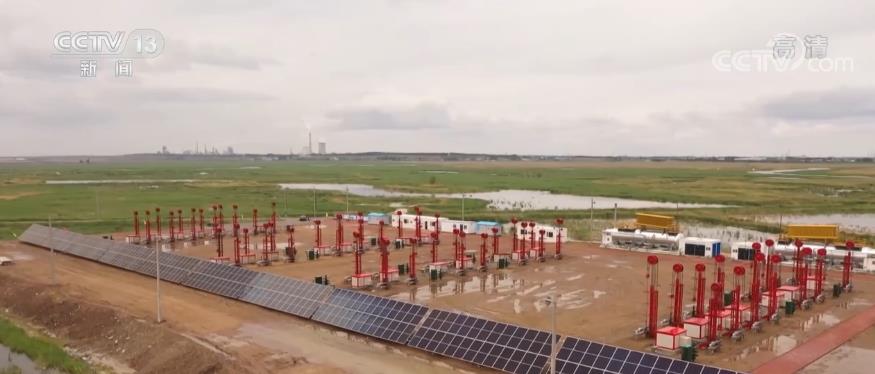
Among many oil and gas field enterprises in China, there is an old oil field that has been exploited for 61 years — — Jilin oilfield. Due to the poor quality of innate resources and the further deterioration of remaining resources, this old oil field has suffered losses for seven consecutive years since 2015. But the financial settlement data in January this year showed that Jilin Oilfield realized a profit of more than 160 million yuan.
On the bank of Chagan Lake in Songyuan, Jilin Province, the largest oil production platform in Asia stands here, and Zhuang Wenfeng, a former oil production worker, is inspecting in his new post.
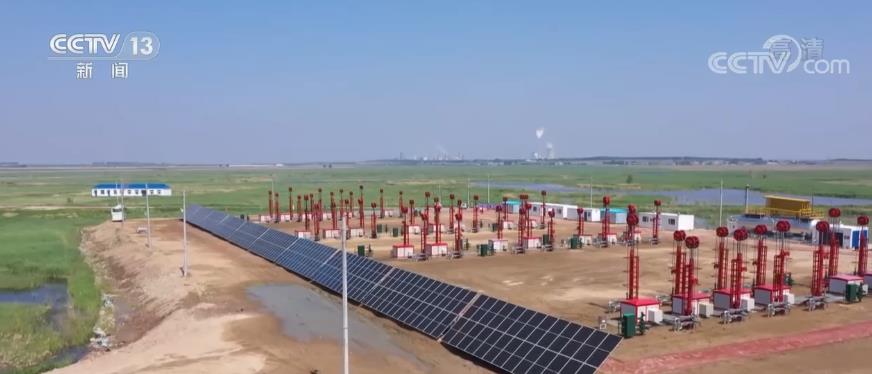
Zhuang Wenfeng told reporters that before, oil production equipment was mainly driven by traditional coal-fired electricity, which had high energy consumption and high pollution risk coefficient. In particular, the Xinli No.16 platform well where he worked was adjacent to Chagan Lake Nature Reserve, and the environmental protection requirements were very high. As a result, Jilin Oilfield completely changed the photovoltaic power generation equipment in Xinli No.16 platform well, and Zhuang Wenfeng also changed his model.
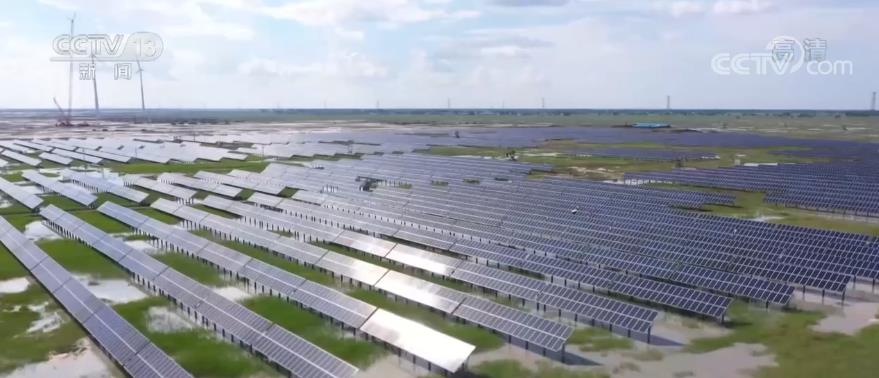
At present, new energy power generation is accelerating to replace grid power in Jilin Oilfield, but this is only one of the measures for the transformation of this "Huajia" oilfield. The only China project among the 21 large-scale carbon capture, utilization and storage projects in the world is running in the Gan ‘an Love Word wasteland, which is more than 100 kilometers away from Chagan Lake.
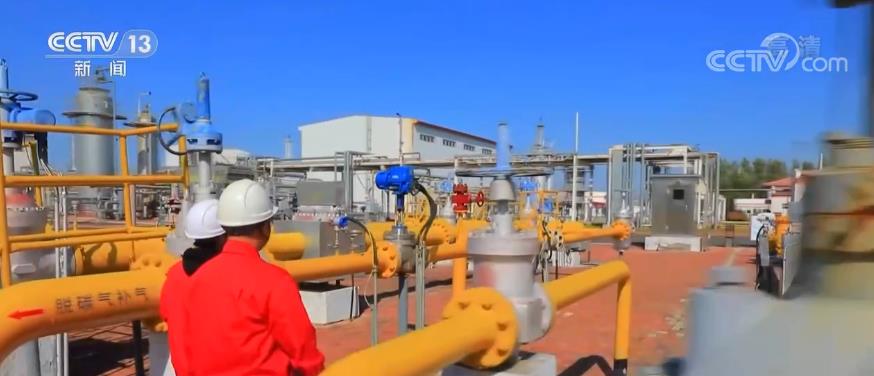
The carbon dioxide produced in the production process of the oil field is captured here, and then the electricity generated by new energy is continuously injected into the ground, which increases the output of the oil field by 10%, but the production process is more low-carbon and environmentally friendly.
Saving costs by new energy generation and increasing output by carbon capture and utilization have laid the foundation for turning losses into profits. However, the ambition of this "Huajia" oilfield is not just to make a profit, but its goal is a "zero carbon" oilfield.